Blog

  • 7 Powerful Digital Twin Breakthroughs: Hope & Risks

    7 Powerful Digital Twin Breakthroughs: Hope & Risks

    Introduction to Digital Twin Breakthroughs

    Digital twin breakthroughs are changing how engineers, researchers, businesses, and cities understand the physical world. A digital twin is a virtual representation of a real-world object, machine, building, process, or system. It can use information from sensors, historical records, simulations, and artificial intelligence to help people understand performance and predict possible problems.

    These digital twin breakthroughs offer hope for better healthcare planning, smarter factories, more efficient buildings, and improved energy systems. Instead of waiting for equipment to fail, organizations may use digital models to identify warning signs and test solutions before making expensive changes in the real world. However, digital twins also bring hidden risks, including inaccurate predictions, cybersecurity threats, privacy concerns, and high implementation costs.

    Understanding both the benefits and limitations of digital twin technology is essential. Its real value comes not from creating an impressive virtual model, but from using reliable information to make better decisions.

    Table of Contents: Digital Twin Breakthroughs

    1. Understanding Digital Twin Breakthroughs
    2. Artificial Intelligence and Digital Twin Breakthroughs
    3. Digital Twin Breakthroughs in Healthcare
    4. Smart Manufacturing and Digital Twin Breakthroughs
    5. Digital Twin Breakthroughs in Cities and Energy
    6. Hidden Risks of Digital Twin Breakthroughs
    7. The Future of Digital Twin Breakthroughs
    8. Frequently Asked Questions About Digital Twin Breakthroughs

    H2: Understanding Digital Twin Breakthroughs

    Digital twins connect physical systems with virtual models that can be updated using real-world information. For example, a factory may create a digital twin of an industrial machine and connect it to sensors that measure temperature, vibration, pressure, and operating speed. Engineers can then study its condition and identify changes that may indicate a developing fault.

    Male And Female Industrial Engineers Using Futuristic Hologram of Wind Turbine Prototype In Computer Powered Modern Laboratory. Multiethnic Colleagues Looking At High-Tech VFX Projection.

    Unlike a simple 3D model, a digital twin can reflect the changing state of the system it represents. Some digital twins also use simulations to explore what might happen under different conditions. Their accuracy depends on the quality of the data, the model’s design, and how well it represents real-world behavior.

    Digital twin breakthroughs are especially useful when testing directly on physical equipment would be dangerous, expensive, or time-consuming. Engineers can compare possible designs, explore different operating conditions, and investigate problems in a virtual environment before implementing a solution.

    However, not every digital twin updates in real time, and not every model can predict future events accurately. Organizations must understand the limits of their models before relying on them for important decisions.

    H2: Artificial Intelligence in Digital Twin Breakthroughs

    Artificial intelligence is expanding what digital twins can do. Traditional models may show how a system is operating, while AI-enhanced models can help identify patterns, detect unusual behavior, and estimate how performance might change. Machine learning can analyze large amounts of sensor information and support faster decision-making.

    For example, an AI-powered digital twin of a production machine could analyze vibration and temperature readings to identify signs of wear. Maintenance teams could use these warnings to inspect equipment before a serious breakdown occurs. This approach may reduce downtime and help businesses plan repairs more effectively.

    AI can also help researchers test alternative scenarios. A digital twin of an energy system might compare different demand levels, weather conditions, or equipment settings. The results can help decision-makers understand possible outcomes before changing the actual system.

    Nevertheless, AI predictions are not guarantees. Poor-quality data, unexpected conditions, or changes in the physical system can make predictions less reliable. Human experts must review important results, especially when safety, finances, or essential services are involved.

    H2: Digital Twin Breakthroughs in Healthcare

    Healthcare researchers are exploring digital twins to improve medical planning, hospital operations, and the study of complex biological systems. Depending on the application, a digital model may represent medical equipment, a hospital department, a physiological process, or selected aspects of an individual patient’s health.

    A hospital operations twin could help managers examine patient flow, staffing arrangements, equipment availability, and waiting times. By testing different schedules virtually, administrators may discover ways to improve efficiency without disrupting everyday services.

    In research, digital models of organs or biological processes may help scientists investigate how systems respond to different conditions. More personalized applications could eventually support medical decision-making, but they require extensive validation and carefully controlled use.

    One important limitation is that the human body is extremely complex. A digital model cannot automatically capture every biological difference, and an inaccurate prediction could lead to harmful conclusions. Medical digital twins should therefore support qualified healthcare professionals rather than replace clinical judgment.

    How Comprehensive Digital Twins Can Be Used to Solve Manufacturing Challenges

    Privacy is equally important. Health-related digital twins may involve highly sensitive information, so organizations need strong access controls, secure storage, and clear rules governing data collection and use.

    H2: Smart Manufacturing and Digital Twin Breakthroughs

    Manufacturing is one of the most practical areas for digital twin breakthroughs. Factories can use virtual representations of production lines, machines, and workflows to study performance and test improvements. These models can help engineers investigate bottlenecks, evaluate equipment settings, and understand how changes to one part of a production process affect the rest.

    For example, before installing a new machine, a manufacturer might simulate how it would interact with existing equipment. The model could reveal scheduling conflicts or capacity problems that might otherwise become expensive mistakes. Engineers could then adjust the design before making physical changes.

    Digital twins can also support predictive maintenance. By combining equipment data with historical performance information, a model may help identify unusual patterns that require inspection. This can improve maintenance planning and reduce unexpected interruptions when the predictions are reliable.

    However, creating a useful factory twin requires suitable sensors, dependable data connections, skilled employees, and ongoing maintenance. Small businesses may find the initial investment difficult to justify. The best results occur when organizations begin with a specific operational problem and measure whether the digital twin actually improves performance.

    H2: Digital Twin Breakthroughs in Cities and Energy

    Cities contain interconnected systems such as roads, buildings, water networks, public transportation, and electricity infrastructure. Digital twins can help planners examine how these systems interact and explore the possible effects of new projects or changing conditions.

    A city model might help researchers assess traffic patterns, estimate energy demand, or investigate the potential effects of a proposed building. Planners can compare scenarios before committing resources to expensive construction or infrastructure changes. These models can also support emergency planning by allowing teams to explore possible disruptions.

    Energy systems offer another promising application. A digital twin of a wind turbine, solar installation, power grid, or building may help operators monitor performance and evaluate possible improvements. For example, a building twin could compare heating, cooling, and lighting strategies to identify opportunities for reducing energy use.

    Yet cities and energy networks are complex. A model based on incomplete data may overlook local conditions or produce misleading estimates. Successful projects need regular updates, collaboration among experts, and clear explanations of uncertainty. Digital twins are decision-support tools, not perfect replicas of reality.

    H2: Hidden Risks of Digital Twin Breakthroughs

    Despite their promise, digital twin breakthroughs introduce several challenges. One major concern is data quality. If sensors malfunction, records become outdated, or important variables are missing, the virtual model may no longer reflect the physical system accurately. Decisions based on incorrect information can waste money or create safety problems.

    Cybersecurity is another serious issue. Digital twins may connect to operational technology, business systems, and sensitive databases. If attackers gain unauthorized access, they could steal information, disrupt operations, or manipulate data used by the model. Strong authentication, network protection, regular security updates, and careful access management are essential.

    Cost can also limit adoption. Organizations may need new sensors, software, cloud computing, specialist staff, and ongoing technical support. A project that looks impressive during a demonstration may not provide enough financial or operational value to justify these expenses.

    Privacy deserves particular attention when digital twins involve people, homes, workplaces, or healthcare. Organizations should collect only necessary information and explain how data is used. They should also assess whether models could expose confidential details or encourage unfair decisions.

    Finally, overconfidence in simulation results can be dangerous. Every model simplifies reality. Testing, expert review, and monitoring are necessary to make sure digital twins remain useful as conditions change.

    H2: The Future of Digital Twin Breakthroughs

    The future of digital twin breakthroughs will likely be shaped by improvements in artificial intelligence, sensor technology, computing power, and data integration. More accessible software could allow smaller businesses to create useful models without building complex systems from scratch. Better connections between virtual models and real-world equipment may also improve monitoring and planning.

    In manufacturing, digital twins could support more flexible production and more informed maintenance. In cities, they may help planners compare infrastructure choices. In healthcare research, validated models may support a deeper understanding of selected biological processes. Energy operators may use them to examine demand, improve equipment performance, and explore ways to use resources more efficiently.

    Still, wider adoption will depend on trust and measurable results. Organizations need to establish clear goals, evaluate model accuracy, protect sensitive information, and train employees to interpret results correctly. Independent testing and transparent governance can reduce the chance of costly mistakes.

    The strongest future for digital twin technology is one in which virtual models help people make informed choices while remaining honest about uncertainty. When used responsibly, these systems can turn complex information into practical insights and support safer, smarter, and more efficient decisions.

    H2: Frequently Asked Questions About Digital Twin Breakthroughs

    H3: What are digital twin breakthroughs?

    Digital twin breakthroughs are advances in virtual models that represent real-world objects, processes, or systems. They can help people monitor performance, run simulations, identify potential problems, and evaluate possible improvements.

    H3: How do digital twin breakthroughs use artificial intelligence?

    AI can analyze data collected from physical systems, detect unusual patterns, and estimate possible future outcomes. Its predictions depend on data quality and model accuracy, so results should be reviewed carefully.

    H3: Can digital twin breakthroughs reduce costs?

    They may reduce some costs by improving maintenance planning, testing designs virtually, and identifying inefficiencies. However, the initial investment and ongoing support can be expensive, and savings are not guaranteed.

    H3: What are the biggest risks of digital twin breakthroughs?

    Key risks include inaccurate data, unreliable predictions, cybersecurity attacks, privacy concerns, high costs, and excessive reliance on simulations. Careful testing and responsible data management help reduce these risks.

    Conclusion: Digital Twin Breakthroughs for a Smarter Future

    Digital twin breakthroughs are creating new ways to understand machines, buildings, cities, healthcare processes, and energy systems. Their ability to combine real-world information with virtual modelling offers meaningful opportunities to improve planning, efficiency, and maintenance.

    However, these benefits depend on accurate data, secure systems, appropriate investment, and realistic expectations. Digital twins cannot perfectly reproduce every aspect of the physical world, and their predictions should never be treated as unquestionable facts.

    By combining technological innovation with expert oversight and responsible data practices, organizations can use digital twin breakthroughs to solve practical problems and build a smarter, more resilient future.

  • 8 Powerful Photonic Computing Breakthroughs: Hope & Risks

    8 Powerful Photonic Computing Breakthroughs: Hope & Risks

    Introduction to Photonic Computing Breakthroughs

    Photonic Computing Breakthroughs are opening new possibilities for faster and more energy-efficient computing by using light instead of relying entirely on electrical signals. As artificial intelligence, machine learning, and scientific simulations demand increasing computing power, researchers are exploring photonic chips that can process information using photons. These technologies could help reduce communication delays and improve computing performance, although practical challenges remain.

    Traditional electronic processors use electrical signals to perform calculations and transfer information. Photonic computing uses optical signals, including the amplitude, phase, and wavelength of light, to carry out selected operations. Some photonic systems can process many optical signals in parallel, making them promising for particular AI workloads.

    Research published in 2026 highlights advances in integrated photonic chips, optical neural networks, and nanophotonics. However, photonic computing is not expected to replace every electronic processor immediately. Accuracy, manufacturing complexity, energy consumed by supporting electronics, and the difficulty of integrating optical components remain important challenges.

    Table of Contents

    1. Understanding Photonic Computing Breakthroughs
    2. Silicon Photonic Chips
    3. Photonic Computing Breakthroughs in Artificial Intelligence
    4. Optical Neural Networks
    5. Energy-Efficient Photonic Computing Breakthroughs
    6. Photonic Computing for Data Centers
    7. Future Applications of Photonic Computing Breakthroughs
    8. Hidden Risks and Technical Challenges
    9. The Future of Photonic Computing Breakthroughs
    10. Conclusion

    1. Understanding Photonic Computing Breakthroughs

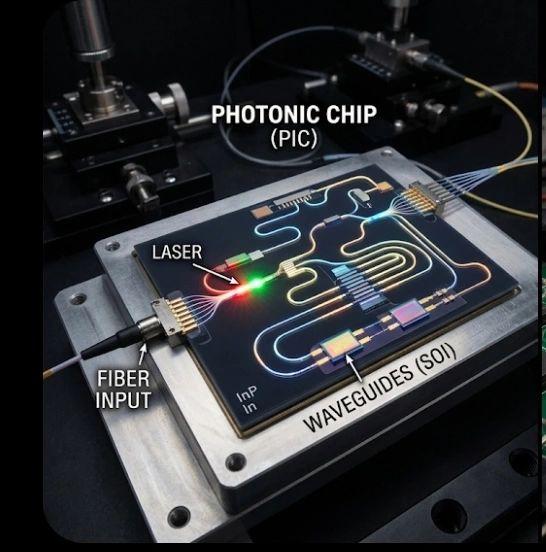
    Photonic computing uses light to perform certain computational operations or transfer information between components. Instead of depending only on moving electrons through conventional circuits, these systems use optical components such as waveguides, modulators, lasers, and photodetectors.

    Ayar Labs and Wiwynn partner for development of co-packaged optical AI infrastructure - DCD

    A waveguide directs light along a defined path on a chip. A modulator changes an optical signal to represent information, while a photodetector converts light back into an electrical signal when needed. By combining these components, researchers can build systems that perform mathematical operations or move large amounts of data.

    One major advantage is optical bandwidth. Different wavelengths of light can carry separate information channels through the same optical path. Photonic systems can also exploit interference and parallel processing to perform particular calculations efficiently.

    Nevertheless, light-based computing has limitations. Many practical systems still require electronic circuits for memory, control, data preparation, and final calculations. The most useful approach may therefore combine photonic and electronic components rather than attempt to eliminate electronics completely.

    2. Photonic Computing Breakthroughs in Silicon Photonic Chips

    Silicon photonics is an important area of photonic computing research because it uses semiconductor manufacturing techniques to integrate optical components onto chips. Researchers can combine optical waveguides and other photonic structures with electronic technologies to create compact systems.

    Recent research has explored improvements in optical modulators, light sources, photodetectors, and connections between chips. Better integration could help optical processors communicate with memory and other computing components more efficiently.

    Silicon photonics is particularly relevant to data centers, where AI accelerators exchange large quantities of information. Moving data optically can offer advantages over electrical connections in certain applications, especially when bandwidth and communication distance become important.

    However, silicon photonics does not automatically make every calculation faster. Designing reliable optical components, controlling temperature, reducing signal loss, and achieving high manufacturing yields remain significant engineering tasks.

    The strongest near-term opportunity may be improving connections between processors and other hardware. More advanced optical computing systems could eventually perform a greater share of selected calculations directly in the optical domain.

    3. Photonic Computing Breakthroughs in Artificial Intelligence

    Artificial intelligence requires extensive mathematical calculations, particularly when training and running large neural networks. Photonic Computing Breakthroughs could help accelerate selected operations, such as matrix-vector multiplication, which appears frequently in machine learning.

    Optical signals can be arranged so that their interactions represent mathematical relationships. By carefully designing optical circuits, researchers can perform certain calculations through light propagation and interference.

    This approach could offer high throughput for workloads that can be mapped efficiently onto optical hardware. It may also reduce some data-transfer bottlenecks when photonic processing is integrated closely with electronic AI accelerators.

    Researchers are investigating how optical processors can support image recognition, scientific computing, and other AI applications. Yet laboratory demonstrations do not necessarily translate into faster performance for every real-world model. Data movement, electronic conversion, memory access, and software compatibility all influence overall results.

    Future progress will depend on testing complete systems rather than isolated optical components. Researchers must measure the total energy used, the accuracy of calculations, and the time needed to complete practical AI tasks.

    4. Photonic Computing Breakthroughs in Optical Neural Networks

    Optical neural networks use photonic components to implement selected operations inspired by artificial neural networks. These systems can use optical interference, wavelength multiplexing, and interconnected waveguides to process signals.

    One promising direction is the development of programmable optical networks. Programmability allows a system to be configured for different tasks rather than being permanently limited to one calculation. Researchers are also exploring photonic spiking neural networks, which process short optical pulses to represent events or neural signals.

    Single-chip frequency comb laser developed by Columbia Engineering | Electro Optics

    In March 2026, Optica reported research on photonic chips designed to support fast learning and decision-making in spiking neural systems. This work illustrates how photonic hardware may eventually support real-time processing in robotics and autonomous systems.

    Despite these advances, building deeper and larger optical neural networks remains difficult. Optical signals can weaken as they travel, and small component variations may affect calculation accuracy. Nonlinear operations, which are essential for many neural networks, can also require additional hardware or electronic processing.

    The future of optical neural networks will depend on improving accuracy, programmability, scalability, and integration with conventional computing systems.

    5. Energy-Efficient Photonic Computing Breakthroughs

    Energy consumption is one of the most important questions in modern computing. AI data centers need substantial electricity for processors, memory, networking, and cooling. Photonic computing may help reduce the energy required for certain calculations and optical data transfers.

    Light can travel through suitable optical paths with relatively low transmission loss, and optical systems can process multiple channels in parallel. These properties create opportunities to improve throughput without increasing electrical switching activity in the same way as some conventional approaches.

    However, the full energy cost must be considered. Lasers require power, optical signals may need amplification, and photodetectors and electronic circuits consume energy. Some systems also need frequent adjustments to maintain stable operation.

    For this reason, a photonic chip that performs one operation efficiently may not necessarily make an entire computer more energy-efficient. Researchers must compare complete workloads, including signal conversion, memory access, control circuitry, and cooling.

    The main opportunity is to use photonic components where they provide a measurable advantage. Hybrid systems could combine optical processing with electronic memory and control to balance speed, accuracy, and energy use.

    6. Photonic Computing Breakthroughs for Data Centers

    Data centers increasingly depend on fast communication between processors, accelerators, memory, and networking equipment. As AI workloads grow, electrical connections can face challenges involving power consumption, signal integrity, bandwidth, and heat.

    Optical interconnects use light to carry data between components. Silicon photonics can help integrate these optical connections into compact hardware, potentially increasing bandwidth while reducing some communication costs.

    One development area is co-packaged optics, where optical components are integrated close to computing chips. Shorter electrical connections can help address certain signal and power challenges, although thermal design and manufacturing complexity must be managed carefully.

    Photonic computing may eventually go beyond communication to accelerate selected calculations within data-center hardware. For now, optical communication and optical computation should be understood as related but distinct technologies. A chip that transfers data with light is not necessarily performing its calculations with light.

    As these systems mature, real-world testing will determine which designs offer the best balance of cost, reliability, power consumption, and performance.

    7. Future Applications of Photonic Computing Breakthroughs

    Photonic computing research could influence several areas beyond conventional AI processors. Scientific computing may benefit from optical systems designed to perform selected mathematical operations at high throughput. Image processing and signal analysis are also potential applications because they often involve repetitive calculations that can be mapped onto specialized hardware.

    In robotics, photonic neural systems may help process sensor information and support rapid decisions. Researchers are investigating whether optical processing can contribute to systems that need low latency, although practical deployment will require dependable hardware and software integration.

    Another potential area is edge computing, where devices process data close to where it is collected. Compact photonic components could eventually support specialized processing in communication equipment, sensors, or other systems where speed and power efficiency matter.

    Photonic computing is also connected to quantum photonics, which uses quantum states of light for quantum information processing. Quantum photonic computing is different from classical photonic computing and faces its own challenges, including photon loss and the difficulty of building reliable, scalable systems.

    These applications remain at different stages of development. Their future success will depend on the requirements of each task and evidence from complete working systems.

    8. Photonic Computing Breakthroughs: Hidden Risks and Challenges

    Despite the potential benefits, Photonic Computing Breakthroughs face several obstacles. The first is computational accuracy. Some photonic processors perform analog operations, which can be affected by noise, optical loss, component imperfections, and variations in temperature.

    The second challenge is integration. Computers require memory, control logic, software, and many other components. Converting information between electrical and optical formats can add latency and consume energy, potentially reducing the advantages of optical processing.

    Manufacturing is another concern. Photonic systems may require precise alignment, specialized materials, lasers, and sophisticated packaging. Scaling these systems to high production volumes while maintaining reliability and controlling costs is difficult.

    Software compatibility also matters. Existing applications are generally designed for electronic processors, so developers may need specialized tools to map calculations onto photonic hardware. Not every workload is suitable for optical processing.

    Finally, performance claims must be evaluated carefully. A demonstration showing exceptional speed for one mathematical operation does not establish that an entire computer will outperform conventional hardware. Fair comparisons should consider accuracy, total energy consumption, data transfer, and the cost of supporting equipment.

    9. The Future of Photonic Computing Breakthroughs

    The next phase of Photonic Computing Breakthroughs will likely focus on practical integration rather than speed alone. Researchers are working to improve optical component density, programmable architectures, precision, manufacturing reliability, and connections between photonic and electronic circuits.

    Advances in nanophotonics may help control light at very small scales, while improved fabrication could make complex optical chips easier to manufacture. Researchers are also exploring new approaches to scaling optical neural networks without allowing signal loss and calculation errors to grow excessively.

    Artificial intelligence could help engineers design and optimize photonic circuits, but those designs still need experimental validation. Future progress will also depend on standards, software tools, reliable packaging, and the availability of applications that benefit from optical processing.

    In the near term, photonics is likely to have its clearest impact in optical communications and specialized computing tasks. Broader use in general-purpose computing will require substantial engineering progress and convincing real-world results.

    10. Conclusion: Photonic Computing Breakthroughs Bring Hope and Risks

    Photonic Computing Breakthroughs offer a promising way to improve selected computing operations and move data more efficiently using light. Silicon photonics, optical neural networks, AI acceleration, and advanced optical interconnects are important areas of ongoing research.

    However, photonic computing is not a universal replacement for electronic processors. Accuracy, energy use across the full system, manufacturing cost, memory access, and integration remain significant challenges.

    The most realistic future may involve hybrid computers that combine the strengths of light and electronics. As researchers continue testing new designs, practical measurements and independent validation will reveal which applications can deliver meaningful benefits.

  • 7 Powerful Humanoid Robot Breakthroughs: Hope & Hidden Risks

    7 Powerful Humanoid Robot Breakthroughs: Hope & Hidden Risks

    Introduction to Humanoid Robot Breakthroughs

    Humanoid robot breakthroughs are changing the way people think about artificial intelligence, automation, and the future of work. These advanced robots are designed to resemble humans in their body structure, movements, and ability to interact with their surroundings. With improvements in artificial intelligence, computer vision, sensors, and robotic engineering, humanoid robots are becoming more capable of performing tasks that once required human involvement.

    The growing interest in humanoid robot breakthroughs brings both hope and concern. On the positive side, humanoid robots may help older adults, support workers in dangerous environments, and reduce repetitive tasks. However, their development also raises questions about job security, privacy, safety, and the cost of advanced technology. Understanding these opportunities and risks is important as humanoid robots move from laboratories into workplaces and other real-world environments.

    Table of Contents

    1. The Rise of Humanoid Robot Breakthroughs
    2. Artificial Intelligence and Human-Like Decisions
    3. Humanoid Robot Breakthroughs in Healthcare
    4. Advanced Movement and Dexterous Hands
    5. Humanoid Robots in Industrial Workplaces
    6. The Hidden Risks of Humanoid Robot Breakthroughs
    7. The Future of Humanoid Robot Breakthroughs
    8. Frequently Asked Questions

    H2: The Rise of Humanoid Robot Breakthroughs

    Humanoid robots have developed significantly from machines that could perform only simple, programmed movements. Modern systems can combine cameras, motion sensors, machine-learning models, and advanced actuators to recognize objects and respond to changes in their environment. Some robots can walk across uneven surfaces, carry objects, or follow spoken instructions under controlled conditions.

    A major reason for this progress is the connection between robotics and artificial intelligence. Traditional industrial robots generally repeat carefully programmed actions in fixed locations. Humanoid robots are being developed to operate in spaces designed for people, potentially allowing them to use existing doors, workstations, tools, and equipment.

    브런치

    Nevertheless, human-like appearance does not mean human-level intelligence. A robot may complete a demonstration successfully but struggle with unfamiliar objects, unexpected obstacles, or complicated environments. Real progress must be measured through reliability, safety, useful work, and performance over time rather than appearance alone.

    H2: Artificial Intelligence in Humanoid Robot Breakthroughs

    Artificial intelligence is one of the most important technologies behind humanoid robot breakthroughs. AI systems help robots interpret visual information, understand certain spoken commands, recognize objects, and select actions. Combining language models with robotic control may also make it easier for people to give instructions without learning specialized programming languages.

    For example, a worker might ask a robot to move a container to a designated workstation. The robot would need to understand the instruction, locate the container, plan a safe route, grasp the object, and place it correctly. Every step requires a combination of perception, planning, and physical control.

    These capabilities are promising, but AI systems can misunderstand instructions or make incorrect predictions. A robot operating around people must therefore use reliable safety mechanisms and recognize when it cannot complete a task confidently. Human supervision remains important, especially in environments where an incorrect movement could cause injury or damage.

    H2: Humanoid Robot Breakthroughs in Healthcare

    Healthcare is a promising area for humanoid robot research because hospitals, rehabilitation centers, and care facilities often require repetitive physical assistance. In the future, suitable robots could help transport supplies, deliver lightweight items, guide visitors, or assist staff with routine logistical work.

    Humanoid robots might also support older adults by retrieving everyday objects or helping them communicate with caregivers. Their human-oriented design could make them useful in spaces where existing equipment was built for people. However, physical assistance involving lifting, walking support, or personal care requires particularly careful engineering and testing.

    Robots should complement healthcare professionals rather than replace the human judgment, empathy, and responsibility essential to patient care. Privacy is another major concern because care robots may use microphones, cameras, and other sensors around sensitive personal information. Successful adoption will depend on secure data practices, clear consent, affordability, and proven safety.

    H2: Advanced Movement in Humanoid Robot Breakthroughs

    Walking, balancing, and manipulating objects are among the most difficult challenges in humanoid robotics. Unlike wheeled machines, bipedal robots must continually manage balance while responding to changing surfaces and external forces. Researchers use advanced control systems, sensors, and carefully designed actuators to improve stability and coordination.

    В соседнем с Липецкой областью Воронеже ИИ-патруль начал штрафовать чиновников  -  Новости Липецка и Липецкой области. Липецкие новости: Главные события дня

    Hands are equally important. Human environments contain objects of different shapes, weights, textures, and sizes. A robot needs to apply enough force to hold an object securely without crushing it or allowing it to slip. Developing this level of dexterity remains a complex engineering challenge.

    Progress in movement could eventually help robots perform practical activities such as sorting packages, carrying tools, opening certain doors, and handling materials. However, impressive laboratory demonstrations do not automatically prove that a robot can perform these activities safely for a full working shift. Battery life, maintenance, speed, and reliability all influence real-world usefulness.

    H2: Humanoid Robot Breakthroughs in Industrial Workplaces

    Factories, warehouses, and distribution centers are potential environments for humanoid robot breakthroughs. These workplaces contain repetitive tasks that can be physically demanding, time-consuming, or hazardous. A capable humanoid robot might move supplies, transfer objects between workstations, or assist with selected inspection and material-handling activities.

    One possible advantage is flexibility. A humanoid robot designed to work with human-sized equipment may not require every workstation to be completely redesigned. This could be useful in certain environments where changing an entire production line would be expensive. Even so, specialized robotic arms and automated guided vehicles may remain cheaper and more efficient for many established tasks.

    Companies must evaluate the complete cost of deployment, including purchasing equipment, electricity, training, software, repairs, and downtime. They must also consider how automation affects employees. Retraining programs and thoughtful workplace planning can help workers transition toward technical supervision, maintenance, and other roles as technology evolves.

    H2: The Hidden Risks of Humanoid Robot Breakthroughs

    Despite their potential benefits, humanoid robot breakthroughs introduce risks that should not be ignored. The first is physical safety. A large robot can cause injury if it loses balance, misinterprets a nearby person’s movement, or experiences a mechanical failure. Developers must build appropriate safeguards, emergency stops, and reliable testing procedures into these systems.

    The second concern is employment. Automation may reduce demand for certain repetitive tasks, although it can also create opportunities in robotics maintenance, engineering, programming, and system management. The overall effect will vary across industries, locations, and occupations. Governments, employers, and educational institutions will need to support workers who require new skills.

    Privacy and cybersecurity are additional challenges. Robots that collect video, audio, maps, or workplace information could expose sensitive data if their systems are poorly secured. Unauthorized access might also disrupt operations or create physical hazards. Strong access controls, software updates, data minimization, and independent security testing are essential.

    Finally, high development and maintenance costs may prevent smaller organizations from benefiting from this technology. Humanoid robots will deliver meaningful value only when their capabilities justify their expense and their risks can be managed responsibly.

    H2: The Future of Humanoid Robot Breakthroughs

    The future of humanoid robot breakthroughs will depend on improvements in AI, batteries, sensors, mechanical design, and real-world testing. Better software may help robots understand instructions and adapt to new situations, while improvements in energy storage could increase their useful operating time. More capable hands and safer movement systems may also expand the range of tasks they can perform.

    However, adoption is unlikely to happen at the same speed in every industry. Businesses will generally favor robots that solve clear problems, operate reliably, and provide measurable value. Some environments may benefit from humanoid robots, while others will continue using simpler and more specialized machines.

    Responsible development will require collaboration among researchers, manufacturers, workers, regulators, and the public. Clear safety standards, transparent testing, and fair policies for affected employees can help ensure that technological progress benefits society.

    The greatest opportunity is not simply to create machines that look like humans. It is to build reliable tools that help people accomplish useful work while protecting safety, privacy, and human dignity.

    H2: Frequently Asked Questions About Humanoid Robot Breakthroughs

    H3: What are humanoid robot breakthroughs?

    Humanoid robot breakthroughs are advances in robots designed with human-like body structures, movement, sensing, and interaction. These improvements may help robots perform practical tasks in environments designed for people.

    H3: Can humanoid robots replace human workers?

    Some robots may automate particular tasks, especially repetitive or physically demanding ones. However, widespread replacement is not guaranteed. Cost, reliability, safety, and the need for human judgment will influence where these robots are useful.

    H3: Are humanoid robots safe?

    Humanoid robots can be designed with safety features, but no system should be assumed safe simply because it works during a demonstration. Proper testing, supervision, maintenance, and emergency procedures are essential.

    H3: What is the biggest challenge for humanoid robots?

    Major challenges include reliable movement, dexterous object handling, battery life, understanding unfamiliar situations, safety, and cost. Solving these problems is essential before robots can work dependably in many everyday environments.

    Conclusion: Humanoid Robot Breakthroughs and a Better Future

    Humanoid robot breakthroughs offer exciting possibilities for industry, healthcare support, and everyday assistance. Advances in artificial intelligence, movement, and object handling may enable robots to take on useful tasks in human environments. At the same time, employment disruption, privacy concerns, cybersecurity threats, and physical safety risks require serious attention.

    A better future will depend on responsible innovation rather than speed alone. By testing robots carefully, protecting personal data, supporting workers, and choosing applications where robots provide genuine value, society can pursue the benefits of humanoid robotics while reducing its hidden risks.

  • 8 Powerful Cancer Vaccine Breakthroughs: Hope & Risks

    8 Powerful Cancer Vaccine Breakthroughs: Hope & Risks

    Introduction to Cancer Vaccine Breakthroughs

    Cancer Vaccine Breakthroughs are creating new hope for patients by exploring ways to help the immune system recognize and attack cancer cells. Unlike traditional vaccines that mainly prevent infectious diseases, therapeutic cancer vaccines are designed to stimulate an immune response against existing cancer. Researchers are studying personalized vaccines that use information from an individual’s tumor to create more targeted treatments. These developments could improve cancer care, but important challenges remain, including treatment costs, clinical testing, and differences in how patients respond.

    Cancer vaccine research is moving toward more personalized medicine. Scientists are investigating how vaccines can work alongside immunotherapy, surgery, and other treatments. Although some clinical results are encouraging, cancer vaccines are not a universal cure, and their effectiveness depends on the cancer type, vaccine design, and individual patient. Understanding these developments helps readers separate genuine scientific progress from exaggerated claims.

    Table of Contents

    1. Understanding Cancer Vaccine Breakthroughs
    2. Personalized Cancer Vaccines
    3. mRNA Cancer Vaccine Research
    4. Neoantigen-Based Vaccine Development
    5. Combining Vaccines With Immunotherapy
    6. Cancer Vaccines After Surgery
    7. New Research in Difficult-to-Treat Cancers
    8. Challenges and Hidden Risks
    9. The Future of Cancer Vaccine Breakthroughs
    10. Conclusion

    1. Understanding Cancer Vaccine Breakthroughs

    Cancer Vaccine Breakthroughs focus on helping the immune system identify cancer cells more effectively. Cancer cells can sometimes avoid immune detection, allowing tumors to grow even when the body has defenses against abnormal cells. Researchers are designing vaccines that present specific tumor-related targets to immune cells so they can learn to recognize those targets.

    Tumor Profiling | Laboratory Medicine

    There are two broad categories of cancer vaccines. Preventive vaccines, such as vaccines against human papillomavirus (HPV) and hepatitis B, can reduce the risk of certain cancers by preventing infections associated with them. Therapeutic cancer vaccines, on the other hand, are being developed to treat existing cancers by stimulating an immune response against tumor-associated targets.

    The distinction is important because a vaccine that prevents an infection-related cancer does not work in the same way as a personalized vaccine designed for an existing tumor. Research into therapeutic vaccines is promising, but many approaches remain experimental and are available only through specific approved uses or clinical trials.

    2. Personalized Cancer Vaccines: A Major Research Direction

    Personalized cancer vaccines are designed around characteristics found in an individual patient’s tumor. Doctors and researchers can analyze tumor samples to identify genetic changes that may produce unusual proteins, known as neoantigens. These targets may help the immune system distinguish cancer cells from healthy cells.

    The process can involve collecting a tumor sample, sequencing its genetic material, selecting promising targets, and manufacturing a vaccine intended to train immune cells to recognize them. The goal is to create a treatment that is more specific to the patient’s cancer rather than relying on exactly the same targets for everyone.

    One potential advantage is that a personalized vaccine may target several tumor-specific features at once. This could make it harder for cancer cells to escape immune recognition by changing a single target. However, tumors can still evolve, and not every selected target produces a strong immune response.

    Manufacturing time, access to genetic testing, and the cost of individualized production remain important barriers. Researchers must also determine which patients are most likely to benefit and how these vaccines should be combined with established treatments.

    3. mRNA Cancer Vaccine Breakthroughs

    Messenger RNA, commonly called mRNA, has become an important platform in cancer vaccine research. An mRNA vaccine provides instructions that help cells produce a selected protein or antigen. The immune system can then learn to recognize that target and may develop responses against cancer cells carrying it.

    One reason scientists are interested in mRNA technology is its flexibility. When researchers identify promising tumor targets, the vaccine instructions can be designed to encode those targets. Personalized mRNA vaccines may include several selected neoantigens, potentially encouraging the immune system to recognize multiple features of a patient’s tumor.

    Researchers are investigating mRNA cancer vaccines in different settings, including melanoma and other solid tumors. Some clinical studies have reported encouraging early findings, especially when personalized vaccines are combined with other immune treatments. However, results from one cancer type cannot automatically be applied to every other cancer.

    An mRNA cancer vaccine is not the same as a universal cancer vaccine. Its usefulness depends on the selected targets, the patient’s immune system, the tumor’s biology, and the results of rigorous clinical trials.

    4. Neoantigen-Based Cancer Vaccine Breakthroughs

    Neoantigens are new protein targets that can arise from genetic changes within cancer cells. Because these targets may be absent from most healthy cells, they can offer researchers a way to direct immune responses toward a tumor.

    Neoantigen-based Cancer Vaccine Breakthroughs involve identifying these unusual targets and selecting those most likely to be recognized by a patient’s immune system. Scientists use tumor sequencing, computational prediction, laboratory testing, and immune-response measurements to evaluate possible targets.

    The challenge is that not every mutation creates a useful neoantigen. Some targets may not be presented effectively to immune cells, while others may fail to trigger a strong response. Tumors also contain different groups of cells, so a target found in one part of a tumor may not be present throughout the entire cancer.

    Researchers are therefore exploring vaccines that include multiple neoantigens. The aim is to broaden immune recognition and reduce the chance that tumor cells will survive simply by losing one target. Clinical evidence is still needed to establish how much these strategies improve long-term outcomes in different cancers.

    5. Combining Cancer Vaccines With Immunotherapy

    Cancer vaccines may work differently when used with other treatments. Immunotherapy drugs called checkpoint inhibitors can help restore or strengthen certain immune responses that tumors suppress. A vaccine may encourage immune cells to recognize specific cancer targets, while a checkpoint inhibitor may help those cells function more effectively.

    This combination is an active area of clinical research. Scientists are examining whether vaccines can improve immune recognition in tumors that respond poorly to existing immunotherapies. They are also studying which treatment sequence and timing may produce the best results.

    However, combining treatments does not guarantee better outcomes. Some patients may experience immune-related side effects, and researchers must determine whether the potential benefit outweighs the added risks. Carefully designed clinical trials are essential to compare combination therapy with standard treatment.

    For patients, the most important point is that experimental combinations should be discussed with qualified oncology teams. Treatment choices depend on the cancer diagnosis, previous therapies, overall health, and the evidence available for the particular approach.

    6. Cancer Vaccines After Surgery: Reducing Recurrence Risk

    Another important research direction is the use of therapeutic cancer vaccines after surgery. Even when a tumor has been removed, small numbers of cancer cells may remain undetected. Researchers are investigating whether a vaccine can train the immune system to recognize these cells and reduce the risk of the cancer returning.

    Neoantigen Vaccines Keep Kidney, Pancreatic Cancer at Bay - NCI

    This approach is sometimes studied as an adjuvant treatment, meaning it is given in addition to the main treatment. Personalized vaccines may be developed using information from the removed tumor, allowing researchers to select targets associated with that patient’s cancer.

    Some clinical studies have reported encouraging findings in particular cancers, including research involving personalized vaccines and immunotherapy. Yet a reduction in recurrence must be demonstrated through appropriate follow-up and controlled clinical trials. Early immune responses alone do not prove that a vaccine improves survival.

    Cancer vaccines after surgery could eventually become part of treatment plans for selected patients if further evidence confirms their benefits. Until then, patients should continue to follow their oncology team’s recommendations and should not delay established treatment in favor of an unproven vaccine.

    7. Cancer Vaccine Breakthroughs in Difficult-to-Treat Cancers

    Researchers are also exploring cancer vaccines for cancers that are difficult to treat, including some pancreatic cancers, brain tumors, and other aggressive diseases. These cancers can present major challenges because tumors may suppress immune activity, contain diverse cell populations, or develop in environments that limit immune-cell access.

    Personalized vaccine approaches may help researchers target tumor-specific features that differ from patient to patient. Scientists are studying how to identify useful antigens, deliver vaccines effectively, and combine them with surgery, radiation, chemotherapy, or immunotherapy when appropriate.

    The results vary substantially by cancer type and study. A vaccine that shows promise in melanoma, for example, cannot be assumed to work equally well in pancreatic cancer or glioblastoma. Each approach needs evidence from trials involving the relevant patient population.

    For this reason, difficult-to-treat cancers remain a major priority for research, rather than a problem that cancer vaccines have already solved. Future progress will depend on reliable clinical evidence, improved vaccine design, and a better understanding of how tumors evade immune responses.

    8. Cancer Vaccine Breakthroughs: Challenges and Hidden Risks

    Despite the promise of Cancer Vaccine Breakthroughs, several challenges remain. Personalized vaccine production can require complex laboratory analysis, specialized manufacturing, and coordination between diagnostic and treatment teams. These steps may increase costs and create delays that matter when a cancer requires urgent treatment.

    Another challenge is that patients do not all respond in the same way. Differences in tumor genetics, immune function, previous treatments, and general health can affect whether a vaccine generates a useful immune response. Some tumors may also change over time or hide from immune detection.

    Side effects are another consideration. Depending on the vaccine and combination treatment, patients may experience injection-site reactions, fatigue, fever, or other effects. Treatments combined with immunotherapy can also cause more serious immune-related complications. The risks depend on the specific product and treatment plan.

    Access and fairness matter, too. If personalized vaccines remain expensive or available only at specialized centers, many patients may struggle to receive them. Researchers and health systems will need to consider manufacturing capacity, affordability, clinical evidence, and equitable access.

    The best approach is to balance optimism with scientific caution. A promising laboratory result or early clinical finding is a reason to continue research, not proof that a treatment is a cure.

    9. The Future of Cancer Vaccine Breakthroughs

    The future of Cancer Vaccine Breakthroughs may involve faster tumor analysis, improved antigen selection, and more efficient vaccine manufacturing. Artificial intelligence and computational biology may help researchers prioritize potential targets, although predictions must still be tested experimentally and clinically.

    Another important goal is identifying which patients are most likely to benefit. Researchers are studying tumor characteristics, immune markers, and treatment history to improve patient selection. Better selection could help reduce unnecessary treatment and make clinical trials more informative.

    Scientists are also exploring combinations that may improve the immune response while keeping side effects manageable. Future studies will need to assess meaningful outcomes, including recurrence, progression, quality of life, and survival, rather than relying only on laboratory markers.

    Wider clinical use will depend on the evidence for each vaccine, its regulatory status, manufacturing quality, and whether its benefits outweigh its risks. Some personalized cancer vaccines may eventually become useful options for specific groups of patients, but there is no single vaccine that currently prevents or cures every form of cancer.

    10. Conclusion: Cancer Vaccine Breakthroughs Bring Hope and Risks

    Cancer Vaccine Breakthroughs represent an important area of modern cancer research. Personalized vaccines, mRNA platforms, neoantigen targeting, and combinations with immunotherapy are helping scientists explore new ways to direct the immune system against cancer.

    The strongest promise lies in developing treatments tailored to particular tumors and patients. However, high costs, manufacturing challenges, variable immune responses, side effects, and the need for long-term clinical evidence remain significant obstacles.

    Patients should discuss potential cancer vaccines with qualified oncology professionals and check whether a treatment is approved for their specific cancer or available through a suitable clinical trial. Scientific progress offers genuine hope, but responsible decisions depend on reliable evidence rather than headlines alone.

  • 8 Powerful PFAS Removal Technologies: Hope & Hidden Risks

    8 Powerful PFAS Removal Technologies: Hope & Hidden Risks

    PFAS Removal Technologies are becoming increasingly important as scientists, water treatment experts, and environmental researchers search for effective ways to reduce persistent chemicals in drinking water and contaminated environments. PFAS, commonly known as per- and polyfluoroalkyl substances, are a large group of synthetic chemicals used in products such as nonstick cookware, stain-resistant fabrics, and certain industrial materials. Because many PFAS break down very slowly, they can remain in the environment for long periods. Modern PFAS Removal Technologies offer hope for cleaner water and reduced exposure, but challenges involving cost, waste disposal, energy use, and complete chemical destruction remain. Understanding these technologies can help communities recognize both their potential benefits and their limitations.

    Table of Contents: PFAS Removal Technologies

    1. Introduction to PFAS Removal Technologies
    2. PFAS Removal Technologies Using Activated Carbon
    3. PFAS Removal Technologies Using Ion Exchange Resins
    4. PFAS Removal Technologies Using Reverse Osmosis
    5. PFAS Removal Technologies Using Nanofiltration
    6. PFAS Removal Technologies Using Electrochemical Treatment
    7. PFAS Removal Technologies Using Plasma Technology
    8. PFAS Removal Technologies Using Advanced Oxidation and Heat
    9. PFAS Removal Technologies: Hope and Hidden Risks
    10. Conclusion on PFAS Removal Technologies

    1. Introduction to PFAS Removal Technologies

    PFAS are widely studied because their chemical structures can make many of them resistant to natural degradation. Some PFAS have been detected in groundwater, rivers, soil, and drinking water sources. Exposure to certain PFAS has been associated with health concerns, although risks vary by chemical, exposure level, and individual circumstances.

    Removing PFAS from water is challenging because these substances can occur at very low concentrations. Different PFAS also behave differently depending on their molecular size, electrical charge, and chemical structure.

    Scientists have developed several treatment approaches to address these problems. Some technologies capture PFAS and separate them from water, while others aim to break down the chemicals themselves. This distinction is important because removing PFAS from water does not necessarily destroy them.

    The most suitable treatment depends on the type of PFAS present, the amount of water being treated, local water chemistry, treatment costs, and how the resulting waste will be managed.

    2. PFAS Removal Technologies Using Activated Carbon

    Activated carbon is one of the established approaches used to reduce certain PFAS in contaminated water. It contains a highly porous structure with a large internal surface area, allowing chemicals to attach to its surface through a process called adsorption.

    Granular activated carbon is commonly used in water treatment systems. Water passes through a bed of carbon, where some PFAS are retained while treated water continues through the system.

    PFAS Removal Technologies and Carbon Filtration

    Activated carbon can be effective for many longer-chain PFAS, including certain compounds that have been widely monitored in drinking water. However, its performance depends on the specific chemical, carbon characteristics, competing substances, and operating conditions.

    Some shorter-chain PFAS can pass through carbon filters more readily than longer-chain compounds. As a result, treatment systems need appropriate design, monitoring, and timely replacement or regeneration of the carbon.

    Used carbon also requires careful management. PFAS captured on the material do not automatically disappear. Depending on the treatment facility and applicable regulations, the carbon may be regenerated, treated, or disposed of through an appropriate waste-management process.

    Despite these challenges, activated carbon remains an important option because it can be integrated into established water treatment infrastructure.

    3. PFAS Removal Technologies Using Ion Exchange Resins

    Ion exchange resins are specially designed materials that can capture certain charged contaminants from water. Some resins have been developed to remove PFAS more efficiently than conventional filtration media under suitable conditions.

    Water flows through a container filled with resin beads. The material interacts with PFAS and retains them, reducing their concentration in the water leaving the treatment unit.

    PFAS Removal Technologies and Selective Resins

    Certain anion exchange resins are particularly useful for capturing negatively charged PFAS. Their effectiveness depends on resin chemistry, water composition, and the particular PFAS being targeted.

    In some applications, ion exchange can provide high removal performance and may require a smaller treatment footprint than some alternative systems. It can also be combined with activated carbon or other treatment methods.

    However, other dissolved substances can compete for binding sites. Resin performance may decline as the material becomes saturated, making monitoring and replacement essential.

    Spent resin can contain concentrated PFAS and therefore requires careful handling. Regeneration may produce a concentrated waste stream that still needs further treatment. The resin itself does not necessarily destroy the chemicals it captures.

    Ion exchange is promising for appropriately designed systems, but its overall environmental value depends on both water treatment performance and safe management of the resulting waste.

    4. PFAS Removal Technologies Using Reverse Osmosis

    Reverse osmosis uses a semipermeable membrane and applied pressure to separate many dissolved substances from water. It is already used in applications such as desalination and drinking water purification.

    When water is forced through a suitable membrane, many PFAS molecules are retained in a concentrated stream, while the treated water passes through.

    PFAS Removal Technologies and Membrane Filtration

    Reverse osmosis can achieve high removal of many PFAS under appropriate operating conditions. Its performance depends on the membrane, the chemical properties of the PFAS, and the quality of the incoming water.

    One important advantage is that reverse osmosis can remove a broad range of dissolved contaminants, not only PFAS. This may be useful where several water-quality problems occur together.

    However, reverse osmosis has important limitations. It consumes energy to pressurize water, requires maintenance, and produces a concentrated reject stream containing PFAS and other substances.

    That concentrated waste must be managed safely. If it is discharged without suitable treatment, PFAS can simply move from one part of the water system into another.

    Membrane treatment therefore needs a complete waste-management strategy. High removal from the treated water is valuable, but it does not mean the captured chemicals have been destroyed.

    5. PFAS Removal Technologies Using Nanofiltration

    Nanofiltration is another membrane-based process that can help reduce PFAS in water. Its separation characteristics differ from those of reverse osmosis, and its performance varies depending on membrane design and water chemistry.

    Nanofiltration membranes can retain many dissolved substances based on molecular size, charge, and interactions with the membrane. Certain systems can remove selected PFAS while allowing some smaller dissolved components to pass through.

    PFAS Removal Technologies for Efficient Water Treatment

    Researchers are investigating how nanofiltration can balance contaminant removal, energy consumption, and water recovery. In suitable applications, it may provide an alternative to reverse osmosis when the overall treatment requirements permit.

    Nevertheless, nanofiltration does not perform identically for every PFAS. Some compounds may be retained more effectively than others, and dissolved salts or organic matter can affect performance.

    Like reverse osmosis, nanofiltration generates a concentrated stream that requires proper management. Membrane fouling can also reduce efficiency and increase maintenance needs.

    The technology may become more useful as membrane materials improve, but decisions should be based on independent testing and the specific contamination problem rather than broad claims that one membrane can remove every PFAS.

    6. PFAS Removal Technologies Using Electrochemical Treatment

    Electrochemical treatment is an emerging area of PFAS research. These systems use electrical energy and specially designed electrodes to encourage chemical reactions that may transform or break down selected PFAS.

    Unlike conventional filtration, which primarily separates contaminants from water, some electrochemical approaches aim to destroy them.

    PFAS Removal Technologies and Chemical Breakdown

    Researchers are investigating electrode materials, electrical conditions, and reactor designs that can improve the degradation of persistent chemicals. Certain laboratory studies have demonstrated that electrochemical processes can break down some PFAS under controlled conditions.

    However, performance varies considerably by compound and treatment conditions. Some PFAS are more resistant than others, and incomplete treatment may leave intermediate products or residual contamination.

    Energy consumption, electrode durability, water composition, and treatment costs are also important considerations. A system that works well with a small laboratory sample may not be equally effective at a large water treatment facility.

    Before electrochemical technologies can be widely adopted, researchers need reliable evidence about destruction efficiency, unwanted byproducts, operating costs, and long-term performance.

    These technologies offer an important research direction because they seek to address the underlying chemical persistence of PFAS rather than simply transferring the contaminants into another material.

    7. PFAS Removal Technologies Using Plasma Technology

    Plasma-based treatment is another developing approach that scientists are investigating for PFAS destruction. Plasma contains energetic particles and reactive species that can initiate chemical reactions under suitable conditions.

    Some experimental systems use plasma in or above contaminated water to target certain persistent compounds. Researchers are studying how these systems interact with PFAS and whether they can break down contaminants efficiently.

    PFAS Removal Technologies and Reactive Plasma

    Laboratory studies have shown that some plasma processes can degrade selected PFAS. The results depend on reactor design, water conditions, chemical structure, treatment duration, and energy input.

    One area of interest is whether plasma treatment can reduce PFAS concentrations in contaminated liquid waste streams. These streams may be generated by other treatment technologies, including processes that concentrate PFAS from larger volumes of water.

    However, plasma treatment remains a developing field, and results from controlled experiments should not automatically be interpreted as proof of widespread commercial readiness.

    Scientists must measure not only the disappearance of the original PFAS but also the formation of transformation products and, where possible, the extent of mineralization into simpler substances.

    Energy efficiency, equipment costs, operational complexity, and scale-up remain important challenges. Plasma technology offers hope, but more testing is needed to establish where it can provide a practical advantage over existing treatment methods.

    8. PFAS Removal Technologies Using Advanced Oxidation and Heat

    Advanced oxidation processes use highly reactive chemical species to transform certain contaminants. Heat-based methods, including specialized thermal treatment, can also be investigated for managing PFAS-containing materials or concentrated waste.

    These approaches are not interchangeable, and their effectiveness depends on the specific process and PFAS involved.

    PFAS Removal Technologies and Advanced Oxidation

    Conventional advanced oxidation methods can be useful for many organic pollutants, but PFAS are unusually resistant to several common oxidation treatments. Standard approaches that work well for other contaminants may perform poorly against certain PFAS.

    Researchers are therefore exploring specialized combinations of reactive chemicals, catalysts, ultraviolet light, and other treatment conditions. The goal is to identify methods that can transform persistent compounds without creating unacceptable byproducts.

    Thermal treatment is also being studied and used in particular waste-management settings. Properly designed and operated systems may destroy certain PFAS-containing wastes, but temperature alone does not guarantee complete destruction under every condition.

    Treatment systems require appropriate monitoring, emissions controls, and verification that the process achieves its intended result. Inadequate treatment could leave residual PFAS or create other environmental concerns.

    These approaches illustrate why PFAS treatment requires chemistry-specific testing rather than assuming that one general-purpose method will work for every contaminant.

    9. PFAS Removal Technologies: Hope and Hidden Risks

    PFAS treatment is not a single-step problem. Different technologies can perform different roles, and some facilities may need multiple processes to meet water-quality goals.

    PFAS Removal Technologies and Their Main Benefits

    Activated carbon, ion exchange, reverse osmosis, and nanofiltration can reduce PFAS concentrations in treated water when correctly selected and operated. These methods can help protect drinking water supplies and manage contamination in suitable applications.

    Electrochemical treatment, plasma technology, and specialized destruction processes may help address concentrated PFAS waste or other difficult treatment streams. Continued research could improve efficiency and reduce the cost of handling persistent chemicals.

    PFAS Removal Technologies and Hidden Risks

    The biggest concern is confusing removal with destruction. A filter can produce cleaner water while leaving PFAS concentrated in spent carbon, resin, or reject water. That residual material must still be managed to prevent contamination from returning to the environment.

    Other challenges include energy consumption, treatment expenses, equipment maintenance, and differences in performance across PFAS compounds. Poorly designed systems may also create byproducts or fail to meet the required water-quality standards.

    Successful PFAS treatment requires testing the incoming water, selecting a suitable technology, monitoring treated water, and developing a safe plan for waste handling. Independent verification is particularly important when a supplier claims that a system eliminates all PFAS.

    The long-term goal is to combine effective contaminant removal, verified destruction where feasible, and responsible waste management. This approach offers a more complete solution than relying on filtration alone.

    10. Conclusion on PFAS Removal Technologies

    PFAS Removal Technologies are advancing efforts to reduce persistent chemical contamination in water and manage PFAS-containing waste. Activated carbon and ion exchange are established options, while reverse osmosis and nanofiltration can provide effective separation under suitable conditions. Electrochemical treatment, plasma processes, and specialized destruction methods offer additional possibilities that researchers continue to evaluate.

    Nevertheless, no single treatment method is ideal for every PFAS or every contaminated site. Performance, costs, energy use, and waste disposal all influence the overall outcome.

    The most promising future will combine reliable testing, suitable treatment systems, careful waste management, and continued scientific research. By distinguishing between capturing PFAS and actually destroying them, communities and water providers can make better-informed decisions and work toward cleaner water with fewer environmental risks.

  • 7 Powerful Solid-State Battery Advances: Hope & Hidden Risks

    7 Powerful Solid-State Battery Advances: Hope & Hidden Risks

    Introduction to Solid-State Battery Advances

    Solid-State Battery Advances are creating new opportunities for electric vehicles, renewable energy storage, and next-generation electronics. Unlike conventional lithium-ion batteries that use liquid electrolytes, solid-state batteries use solid materials to transport ions between their electrodes. This design could improve energy density, reduce certain fire risks, and support longer-lasting battery systems. However, these benefits are not guaranteed for every design, and large-scale manufacturing remains a significant challenge.

    Researchers and battery manufacturers are exploring new solid electrolytes, advanced electrode materials, and innovative production techniques. These developments could make future batteries safer and more efficient. At the same time, high manufacturing costs, material degradation, and charging performance remain important concerns.

    Understanding the latest Solid-State Battery Advances helps explain why this technology attracts so much attention and what obstacles must be overcome before it becomes widely available.

    Table of Contents: Solid-State Battery Advances

    1. Solid-State Battery Advances in Solid Electrolytes
    2. Solid-State Battery Advances in Lithium-Metal Anodes
    3. Solid-State Battery Advances in Energy Density
    4. Solid-State Battery Advances in Fast Charging
    5. Solid-State Battery Advances in Electric Vehicles
    6. Solid-State Battery Advances in Renewable Energy Storage
    7. Solid-State Battery Advances in Manufacturing
    8. Benefits and Risks of Solid-State Battery Advances
    9. The Future of Solid-State Battery Advances

    1. Solid-State Battery Advances in Solid Electrolytes

    One of the most important Solid-State Battery Advances involves developing solid electrolytes that allow lithium ions to move efficiently between battery electrodes. The electrolyte is essential because it carries ions during charging and discharging.

    Scientists are studying several materials, including sulfides, oxides, and solid polymers. Sulfide electrolytes can offer high ionic conductivity, which is useful for battery performance. However, some sulfide materials are sensitive to moisture and require careful handling. Oxide electrolytes can provide good chemical stability in certain conditions, but they may be brittle and difficult to manufacture in thin layers. Polymer electrolytes can offer flexibility, although their performance may be limited at room temperature depending on their composition.

    Researchers are working to improve conductivity, durability, and contact between the electrolyte and electrodes. Better interfaces could reduce resistance and help batteries maintain their performance over repeated charging cycles.

    The main challenge is finding a material that combines high conductivity, stability, affordability, and easy manufacturing. No single electrolyte has yet solved every problem, but continued research is bringing different battery designs closer to practical applications.

    2. Solid-State Battery Advances in Lithium-Metal Anodes

    Lithium-metal anodes are another promising area of Solid-State Battery Advances. Many conventional lithium-ion batteries use graphite anodes, while lithium-metal designs can potentially store more energy in the same amount of space.

    A lithium-metal anode could help manufacturers develop batteries with higher energy density. This may be especially valuable for electric vehicles, where reducing battery weight could improve driving range or allow smaller battery packs.

    However, lithium metal introduces technical difficulties. During charging, uneven lithium deposits can form structures called dendrites under certain conditions. These structures may damage internal components or create short circuits. Solid electrolytes do not automatically eliminate this risk.

    Scientists are exploring protective coatings, improved electrode structures, pressure management, and new electrolyte compositions to control lithium deposition. They are also investigating how electrode surfaces change during repeated charging and discharging.

    If these challenges can be managed, lithium-metal batteries could become an important part of future energy storage. Until then, cycle life, manufacturing consistency, and safety testing remain essential requirements.

    3. Solid-State Battery Advances in Energy Density

    Energy density describes how much energy a battery stores relative to its weight or volume. Higher energy density can help electric vehicles travel farther and make portable electronics lighter.

    Solid-State Battery Advances may improve energy density through combinations of lithium-metal anodes, high-capacity cathodes, and thinner electrolyte layers. Some designs could reduce the need for certain heavy internal components and use available space more efficiently.

    For electric vehicles, this could mean a longer driving range without increasing battery-pack size. Alternatively, manufacturers might use a smaller battery to achieve a similar range, potentially reducing vehicle weight and material requirements.

    However, laboratory energy-density results do not always translate directly into commercial battery packs. Packaging, cooling systems, safety components, manufacturing tolerances, and operating conditions all influence the final result.

    Battery performance also depends on more than energy density. A useful battery must maintain capacity over many cycles, operate across a suitable temperature range, charge reliably, and remain affordable.

    Therefore, researchers must evaluate complete battery systems rather than relying on a single impressive laboratory measurement.

    4. Solid-State Battery Advances in Fast Charging

    Fast charging is an important goal for next-generation batteries. Drivers want to recharge electric vehicles quickly, while electronics manufacturers seek shorter charging times without sacrificing battery life.

    Some Solid-State Battery Advances aim to improve ion transport and reduce resistance within the battery. Better electrolyte conductivity and stronger electrode-electrolyte interfaces could support faster charging under suitable conditions.

    Nevertheless, fast charging is a complex process. Lithium may accumulate unevenly at the anode, while heat and internal stress can damage battery materials. These problems may occur even when a solid electrolyte is used.

    Researchers are testing different electrode designs, charging protocols, and temperature-management techniques. They are also studying how charging speed affects battery capacity and long-term reliability.

    A successful fast-charging battery must deliver more than a short charging time. It should charge consistently, resist degradation, and operate safely under real-world conditions.

    Although solid-state technology offers promising possibilities, charging performance will depend on the specific chemistry and engineering of each battery rather than on its solid electrolyte alone.

    5. Solid-State Battery Advances in Electric Vehicles

    Electric vehicles are among the most widely discussed applications of Solid-State Battery Advances. Automakers are investigating solid-state designs because they could potentially combine higher energy density with improved safety characteristics.

    A lighter battery with greater usable energy could help electric cars travel farther between charges. Improved battery design might also create opportunities for different vehicle layouts and more efficient use of cabin space.

    However, a solid-state battery is not automatically safer in every respect. Some designs may reduce risks associated with flammable liquid electrolytes, but they can still experience internal short circuits, overheating, material degradation, or manufacturing defects.

    Automakers must also consider production costs, vehicle warranties, charging infrastructure, and battery performance in cold or hot weather.

    Another important challenge is scaling production. A battery that works successfully in a laboratory must be manufactured consistently in large quantities before it can become a practical automotive product.

    As research progresses, the most successful designs will likely be those that balance range, durability, cost, charging performance, and safety.

    6. Solid-State Battery Advances in Renewable Energy Storage

    Renewable energy sources such as solar and wind do not always produce electricity when demand is highest. Energy storage helps balance these fluctuations by storing electricity for later use.

    Solid-State Battery Advances may eventually provide additional options for stationary energy storage. Potential benefits could include compact designs, improved durability, and reduced dependence on some flammable liquid electrolytes.

    Homes, commercial buildings, and electricity networks need storage systems that can operate reliably over many years. For these applications, long cycle life, low maintenance requirements, and affordable materials may be more important than achieving the highest possible energy density.

    However, solid-state batteries face strong competition from established lithium-ion systems and other storage technologies. Their cost per unit of stored energy, lifetime performance, and manufacturing requirements will determine whether they are suitable for large-scale grid applications.

    It is also important to remember that solid-state batteries are not the only solution for renewable energy storage. Pumped hydro, conventional batteries, thermal storage, and other technologies can serve different needs.

    Future progress will depend on matching the right storage technology to each application.

    7. Solid-State Battery Advances in Manufacturing

    Manufacturing is one of the biggest obstacles facing commercial solid-state batteries. Producing reliable cells requires precise control over materials, interfaces, pressure, and assembly conditions.

    Solid-State Battery Advances in manufacturing include research into thin-film processing, improved powder production, better electrode coatings, and more efficient cell assembly. These methods could help manufacturers produce batteries with fewer defects and more consistent performance.

    However, some solid electrolytes require specialized processing environments. Certain materials can be sensitive to moisture, while ceramic electrolytes may need careful handling to avoid cracks. Maintaining effective contact between solid components can also be difficult as a battery expands and contracts during use.

    Factories must produce large numbers of cells with consistent quality. Even small defects can affect performance, reduce battery life, or increase costs.

    Manufacturers therefore need reliable inspection methods, repeatable production processes, and supply chains capable of delivering suitable raw materials.

    Successful commercialization will require more than a scientific breakthrough. It will depend on making batteries that are practical, durable, affordable, and consistent at industrial scale.

    8. Benefits and Risks of Solid-State Battery Advances

    Solid-State Battery Advances offer several potential benefits, but important limitations remain. Their real-world performance will depend on the materials, cell design, manufacturing process, and intended application.

    AreaPotential BenefitHidden Risk or Challenge
    Energy densityMore energy in less spaceLaboratory results may not match complete battery packs
    SafetyReduced reliance on flammable liquid electrolytes in some designsInternal shorts and other failure modes remain possible
    ChargingPotential for faster chargingDendrites and interface resistance can limit performance
    Electric vehiclesPossibility of longer driving rangeHigh costs and production challenges
    Battery lifespanPotential for durable cell designsCracks and interface degradation may reduce cycle life
    Renewable storageAdditional storage optionsCompetition from lower-cost alternatives
    ManufacturingOpportunities for improved production methodsSpecialized equipment and quality-control requirements

    The most promising battery designs will need to demonstrate their advantages through independent testing, long-term cycling, and realistic operating conditions.

    9. Solid-State Battery Advances: Research Progress Graph

    The following graph is a conceptual illustration of the relative development challenges facing different parts of solid-state battery technology. The scores are illustrative, not measured research statistics or commercial readiness ratings.

    Illustrative development challenge score (1–5)

    Solid electrolyte development: ████ 4/5

    Lithium-metal stability: █████ 5/5

    Fast-charging performance: ████ 4/5

    Electric vehicle integration: ████ 4/5

    Large-scale manufacturing: █████ 5/5

    These scores indicate areas that researchers must address, not a scientific ranking of how successful each technology already is. The actual challenges vary across battery chemistries and manufacturers.

    The Future of Solid-State Battery Advances

    The future of Solid-State Battery Advances will depend on whether researchers can improve performance while lowering production costs. New electrolyte materials, stable lithium-metal anodes, and improved interfaces could help address some of the limitations affecting current designs.

    Manufacturers will also need to demonstrate reliable performance over thousands of operating cycles where appropriate, while testing safety under realistic conditions. Independent validation will be important because promising laboratory results do not necessarily guarantee commercial success.

    Electric vehicles may become an early market for selected high-performance solid-state designs if cost, durability, and manufacturing requirements can be met. Other applications, including specialized electronics and stationary storage, may adopt different designs according to their needs.

    Environmental considerations will also matter. Mining, material processing, factory energy consumption, recycling, and end-of-life management all influence the overall environmental impact of a battery.

    The best technology will not necessarily be the one with the highest energy density. It will be the one that offers a practical balance of safety, price, lifespan, performance, and sustainability.

    Conclusion: Solid-State Battery Advances Offer Hope and Risks

    Solid-State Battery Advances could play an important role in the future of energy storage. Improvements in solid electrolytes, lithium-metal anodes, energy density, fast charging, electric vehicles, renewable energy storage, and manufacturing offer promising research directions.

    However, significant challenges remain. High costs, interface degradation, lithium dendrites, production complexity, and uncertain large-scale performance must be addressed before the technology can achieve widespread adoption.

    For consumers and industries, the key is to distinguish genuine commercial progress from early laboratory promises. With continued research, careful testing, and better manufacturing methods, solid-state batteries may become a valuable part of the next generation of energy technology.

  • 8 Powerful AI Weather Forecasting Discoveries: Hope & Hidden Risks

    8 Powerful AI Weather Forecasting Discoveries: Hope & Hidden Risks

    AI Weather Forecasting Discoveries are transforming how scientists predict storms, monitor extreme weather, and understand changes in the atmosphere. Artificial intelligence can analyze enormous amounts of weather data and identify patterns that help produce forecasts more efficiently. These AI Weather Forecasting Discoveries offer hope for earlier warnings, better disaster preparation, and improved agricultural planning. However, hidden risks remain, including inaccurate predictions, limited training data, and difficulties forecasting unusual weather events. Understanding these developments helps explain how AI may improve weather forecasting while showing why scientific verification remains essential.

    Table of Contents: AI Weather Forecasting Discoveries

    1. Introduction to AI Weather Forecasting Discoveries
    2. AI Weather Forecasting Discoveries in Extreme Weather Prediction
    3. AI Weather Forecasting Discoveries in Hurricane Forecasting
    4. AI Weather Forecasting Discoveries in Flood Prediction
    5. AI Weather Forecasting Discoveries in Climate Research
    6. AI Weather Forecasting Discoveries in Agricultural Planning
    7. AI Weather Forecasting Discoveries in Satellite Data Analysis
    8. AI Weather Forecasting Discoveries in Early Warning Systems
    9. AI Weather Forecasting Discoveries: Hope and Hidden Risks
    10. Conclusion on AI Weather Forecasting Discoveries

    1. Introduction to AI Weather Forecasting Discoveries

    Weather forecasting has traditionally depended on observations, mathematical equations, satellite measurements, and powerful numerical weather prediction models. These methods remain essential, but artificial intelligence is introducing new ways to analyze atmospheric conditions.

    Machine learning systems can learn patterns from historical weather records and use them to predict future atmospheric conditions. Some modern AI forecasting models generate predictions much faster than traditional physics-based models, making them valuable tools for research and operational forecasting.

    For example, GraphCast, developed by Google DeepMind, demonstrated that machine learning could produce competitive medium-range global weather forecasts across many evaluated variables. Other systems, including Pangu-Weather, have also demonstrated the potential of AI-based forecasting.

    Nevertheless, AI does not understand every atmospheric process perfectly. Its predictions depend on input data, model design, and the weather conditions being forecast. The most useful AI Weather Forecasting Discoveries combine computational efficiency with careful evaluation and meteorological expertise.

    2. AI Weather Forecasting Discoveries in Extreme Weather Prediction

    Extreme weather events, such as heatwaves, severe storms, and unusually heavy rainfall, can threaten lives and damage infrastructure. Predicting these events early can help communities prepare and reduce potential losses.

    AI systems can analyze historical observations, atmospheric measurements, and numerical forecast outputs to identify conditions associated with dangerous weather. They may help meteorologists recognize patterns that deserve closer investigation.

    AI Weather Forecasting Discoveries for Earlier Warnings

    Machine learning can support the prediction of certain extreme weather patterns by processing large datasets quickly. For example, an AI model may identify atmospheric conditions associated with a developing heatwave or a period of unusually heavy precipitation.

    Early identification gives emergency services more time to prepare resources, issue warnings, and communicate with vulnerable communities. Farmers may also use forecasts to protect crops, while energy companies can prepare for changes in electricity demand during extreme temperatures.

    However, rare weather events are difficult to predict because they may be poorly represented in historical training data. A model that performs well during ordinary conditions may struggle when atmospheric behavior becomes unusual.

    AI predictions should therefore be tested against independent observations and established forecasting systems. Meteorologists must also communicate uncertainty instead of treating every prediction as a guaranteed outcome.

    3. AI Weather Forecasting Discoveries in Hurricane Forecasting

    Hurricanes and other tropical cyclones can cause destructive winds, storm surges, and intense rainfall. Forecasting their movement and intensity is essential for evacuation planning and emergency management.

    AI models can examine atmospheric conditions, sea surface temperatures, historical cyclone tracks, and other relevant information. These models may help researchers estimate where a storm could travel and identify patterns associated with changes in its strength.

    AI Weather Forecasting Discoveries for Storm Tracking

    Some AI weather models have demonstrated promising performance in predicting large-scale atmospheric patterns and tropical cyclone tracks. Researchers are also investigating AI methods for estimating storm intensity and predicting rapid intensification.

    Rapid intensification occurs when a tropical cyclone becomes substantially stronger over a short period. Predicting this process remains challenging because it depends on several interacting factors, including ocean heat, atmospheric moisture, wind shear, and internal storm structure.

    AI can assist forecasting teams by analyzing these relationships, but it does not eliminate uncertainty. A small difference in a storm’s initial conditions may affect its predicted path or strength.

    Reliable hurricane forecasting therefore benefits from combining AI guidance with satellite observations, physical weather models, specialist analysis, and repeated updates as new data become available.

    4. AI Weather Forecasting Discoveries in Flood Prediction

    Flooding can occur after prolonged rainfall, sudden downpours, overflowing rivers, or rapidly melting snow. Flash floods are especially dangerous because water levels may rise before communities have enough time to respond.

    AI-based flood prediction systems can combine rainfall estimates, river measurements, soil moisture, terrain information, and historical flood records. These inputs can help estimate where flooding may occur and how conditions could develop.

    AI Weather Forecasting Discoveries for Flash Flood Risks

    Machine learning can identify relationships between rainfall intensity, land characteristics, and previous flooding. In some locations, these relationships can support faster local flood forecasts and improve the targeting of warnings.

    For example, an urban area with limited drainage may experience dangerous flooding after heavy rain. An AI system that considers rainfall forecasts and local terrain could help authorities identify locations requiring additional monitoring.

    However, flood prediction depends on reliable local information. In regions without sufficient river gauges, rainfall measurements, or historical records, predictions may be less dependable. Unexpected changes in drainage systems and land use can also reduce model accuracy.

    AI should therefore complement, rather than replace, hydrological modeling, ground-based sensors, and emergency planning. Effective flood warnings also need clear communication so that people understand what action to take.

    5. AI Weather Forecasting Discoveries in Climate Research

    Weather forecasting and climate research are related but different. Weather forecasts estimate atmospheric conditions over shorter periods, while climate research examines long-term patterns, trends, and changes in the climate system.

    AI can help researchers process large climate datasets, analyze satellite observations, and identify patterns across long periods. These methods may support studies of temperature changes, rainfall variability, and extreme weather risks.

    AI Weather Forecasting Discoveries for Climate Analysis

    Researchers are exploring machine learning to improve the analysis of climate simulations and to identify relationships among atmospheric and oceanic conditions. AI may also help make certain climate-modeling tasks more computationally efficient.

    For example, scientists can use machine learning to investigate how changes in temperature and moisture relate to regional rainfall patterns. Such analysis can contribute to understanding potential risks to agriculture, water resources, and infrastructure.

    However, a weather prediction model should not automatically be treated as a reliable climate projection system. Long-term climate projections must account for greenhouse gas emissions, ocean circulation, land processes, and other physical factors.

    AI-generated results need to be evaluated against established scientific knowledge and observed data. Researchers must also explain the assumptions and limitations behind their conclusions.

    6. AI Weather Forecasting Discoveries in Agricultural Planning

    Agriculture depends heavily on weather. Farmers need information about rainfall, temperature, humidity, wind, and possible extreme events to decide when to plant, irrigate, fertilize, and harvest crops.

    AI-assisted forecasting can help translate weather information into useful agricultural guidance. When combined with crop information and local observations, forecasts may help farmers plan field operations and manage limited water supplies.

    AI Weather Forecasting Discoveries for Smarter Farming

    For example, a forecast of heavy rainfall may help a farmer delay irrigation or protect harvested crops. Predictions of high temperatures may support planning for heat-sensitive crops, livestock, and agricultural workers.

    AI systems can also combine weather information with soil moisture sensors and satellite images to help estimate water needs. These tools may be particularly useful in areas where changing rainfall patterns create uncertainty for farming communities.

    Nevertheless, forecasts can be less accurate at very local scales, especially when weather varies significantly across short distances. Farmers should not rely on a single automated prediction for every decision.

    The most effective systems combine AI forecasts with local weather stations, agricultural expertise, and advice suited to regional growing conditions. Access and affordability also matter because smaller farms may not have the resources to adopt advanced digital tools.

    7. AI Weather Forecasting Discoveries in Satellite Data Analysis

    Satellites provide essential information about clouds, atmospheric moisture, temperatures, storms, and other features of the Earth system. Modern weather services receive enormous quantities of satellite observations that must be processed and interpreted.

    AI can help analyze these observations, recognize cloud patterns, estimate atmospheric properties, and identify developing weather systems. This allows researchers to extract useful information from complex images and measurements.

    AI Weather Forecasting Discoveries for Faster Satellite Insights

    Machine learning can support the detection of cloud formations associated with storms and help process observations from multiple instruments. AI tools may also assist in identifying missing or inconsistent data that require additional review.

    In regions where ground-based weather stations are limited, satellite observations can be particularly valuable. Combining satellite data with other measurements may help improve weather monitoring over oceans, mountains, and remote areas.

    However, satellites do not measure every atmospheric variable directly. Some information must be estimated from the observations, and those estimates contain uncertainty. Clouds, sensor limitations, and incomplete coverage can also affect data quality.

    AI systems must therefore be evaluated carefully to ensure that their interpretations remain scientifically reliable. High-quality observations are fundamental to accurate forecasting, regardless of how advanced a model may be.

    8. AI Weather Forecasting Discoveries in Early Warning Systems

    Early warning systems connect weather predictions with communication and emergency response. A technically accurate forecast is not enough if people do not receive the warning in time or understand how to respond.

    AI can help identify developing hazards, combine information from different monitoring systems, and support decisions about when additional attention may be needed. These capabilities may improve how authorities organize information during dangerous weather conditions.

    AI Weather Forecasting Discoveries for Community Safety

    An early warning system might combine forecasts of heavy rainfall with river-level sensors and local flood-risk maps. If conditions indicate an increasing threat, authorities can review the information and communicate suitable warnings to affected communities.

    Similarly, heat-risk forecasts may help health services prepare for periods of extreme temperatures. Weather-related warnings can also support transportation planning and the protection of essential infrastructure.

    However, AI-generated warnings can create problems if they are inaccurate, unclear, or issued too frequently. False alarms may reduce public trust, while missed warnings can expose communities to danger.

    Effective systems need reliable communication channels, accessible language, clear responsibility, and procedures for human review. Communities should also have practical guidance explaining what to do when a warning is issued.

    9. AI Weather Forecasting Discoveries: Hope and Hidden Risks

    AI offers important opportunities to improve weather forecasting, but its limitations must be understood. Different models perform differently depending on the forecasting task, available data, geographic region, and prediction period.

    AI Weather Forecasting Discoveries and Their Main Benefits

    AI models can process large datasets efficiently and may provide useful forecasts at relatively low computational cost once trained. They can also support rapid analysis and help researchers explore patterns that are difficult to identify manually.

    These capabilities may improve preparation for storms, floods, heatwaves, and other hazards. Better forecasting can support decisions in agriculture, transport, energy, and emergency management.

    AI Weather Forecasting Discoveries and Hidden Risks

    One major risk is that AI models can produce inaccurate predictions when they encounter weather conditions that differ from their training data. Limited observations in some regions may also make forecasts less dependable.

    Another challenge is transparency. Some complex models are difficult to interpret, making it harder to explain why a particular prediction was produced. AI forecasts may also inherit errors or biases from the data used to train them.

    Researchers should compare AI predictions with trusted forecasting methods, evaluate performance across different regions, and communicate uncertainty clearly. Human meteorologists remain important for interpreting results and making high-impact decisions.

    The future of AI forecasting will depend not only on faster models but also on reliable observations, rigorous scientific testing, accessible warnings, and responsible use of technology.

    10. Conclusion on AI Weather Forecasting Discoveries

    AI Weather Forecasting Discoveries are changing how researchers analyze atmospheric conditions and predict weather-related risks. From extreme weather and hurricane tracking to flood prediction, climate research, and agricultural planning, AI can provide useful tools for understanding complex environmental systems.

    Yet these technologies are not perfect. Data gaps, unusual weather conditions, and uncertain predictions can limit their performance. AI forecasts must be evaluated carefully and combined with scientific expertise before they guide critical decisions.

    The greatest benefit will come when advanced forecasting technology is connected to effective early warning systems and practical community action. With continued research and responsible implementation, AI can help society prepare for dangerous weather while improving the way people understand and respond to changing atmospheric conditions.

  • 7 Sodium-Ion Battery Breakthroughs: Benefits & Risks

    7 Sodium-Ion Battery Breakthroughs: Benefits & Risks

    Table of Contents

    1. Introduction to Sodium-Ion Battery Breakthroughs
    2. How Sodium-Ion Battery Breakthroughs Work
    3. 7 Major Sodium-Ion Battery Breakthroughs
    4. Benefits of Sodium-Ion Battery Breakthroughs
    5. Hidden Risks of Sodium-Ion Battery Breakthroughs
    6. Sodium-Ion Battery Breakthroughs vs. Lithium-Ion Batteries
    7. Future of Sodium-Ion Battery Breakthroughs
    8. Conclusion

    Introduction to Sodium-Ion Battery Breakthroughs

    Sodium-Ion Battery Breakthroughs are creating new opportunities for affordable energy storage, renewable electricity, and electric transportation. As demand for rechargeable batteries continues to increase, researchers are exploring sodium as an alternative to lithium. Sodium is widely available in nature, making it an attractive material for developing battery technologies that could reduce dependence on certain expensive raw materials.

    Unlike traditional lithium-ion batteries, sodium-ion batteries use sodium ions to store and release electrical energy. Recent research has improved electrode materials, electrolyte chemistry, battery stability, and manufacturing methods. According to the International Energy Agency, sodium-ion technology is advancing toward wider commercial deployment, although energy density and manufacturing scale remain important challenges.

    These developments could make sodium-ion batteries useful for renewable energy storage, low-cost vehicles, and applications requiring reliable performance in cold environments. However, they are not a perfect replacement for lithium-ion batteries. Understanding both their advantages and limitations is essential for evaluating their future potential.

    How Sodium-Ion Battery Breakthroughs Work

    Sodium-ion batteries operate through a process similar to that of lithium-ion batteries. During charging, sodium ions move through an electrolyte from one electrode to another. During discharging, these ions move back, while electrons travel through an external circuit to provide electricity.

    A typical sodium-ion battery contains a cathode, an anode, an electrolyte, and a separator. The cathode stores sodium ions, while the anode provides a structure in which ions can be stored during charging. The electrolyte transports ions between the electrodes, and the separator helps prevent direct electrical contact between them.

    The challenge is that sodium ions are larger than lithium ions. This difference affects how quickly ions move and how much energy a battery can store in a given amount of space. Researchers are developing improved materials to overcome these limitations and increase battery performance.

    7 Major Sodium-Ion Battery Breakthroughs

    1. Sodium-Ion Battery Breakthroughs in Advanced Cathode Materials

    7 Sodium-Ion Battery Breakthroughs: Benefits & Risks
    7 Sodium-Ion Battery Breakthroughs: Benefits & Risks

    Cathode materials strongly influence battery capacity, operating voltage, stability, and lifespan. Researchers are investigating layered metal oxides, polyanionic compounds, and Prussian blue analogues to improve sodium-ion performance.

    These materials offer different combinations of energy storage capacity, structural stability, and production costs. Some Prussian blue analogue materials are especially interesting because their open structures can support sodium-ion movement.

    The main challenge is finding materials that maintain their structure over repeated charging cycles. Better cathodes could improve durability and help manufacturers produce more dependable batteries for energy storage and transportation.

    2. Sodium-Ion Battery Breakthroughs in Hard-Carbon Anodes

    Hard carbon is one of the leading anode materials for sodium-ion batteries. It can store sodium ions within its disordered structure, making it a practical candidate for rechargeable battery systems.

    Researchers are studying how carbon structure, pore distribution, surface chemistry, and manufacturing methods affect storage capacity. Improvements may help batteries store more energy and reduce the amount of sodium lost during early charging cycles.

    However, hard-carbon anodes still face challenges involving initial efficiency, material consistency, and energy density. Continued research is necessary before every laboratory improvement can translate into an affordable commercial product.

    3. Sodium-Ion Battery Breakthroughs in Low-Temperature Performance

    Cold weather can reduce the performance of many rechargeable batteries. Some sodium-ion designs offer promising low-temperature characteristics, making them attractive for applications in colder climates.

    The International Energy Agency reported in 2026 that leading sodium-ion cells can retain around 90% of their nominal capacity at temperatures as low as -40°C. This performance depends on the particular battery design and operating conditions, so it should not be assumed for every sodium-ion product.

    Improved cold-weather performance could support outdoor energy storage, certain electric vehicles, and equipment operating in challenging environments. Researchers must still evaluate charging safety, long-term durability, and real-world performance across different temperatures.

    4. Sodium-Ion Battery Breakthroughs in Safer Electrolytes

    Electrolytes help sodium ions travel between battery electrodes. Their chemical composition affects conductivity, temperature performance, battery lifespan, and safety.

    Scientists are exploring improved liquid electrolytes, additives, and alternative electrolyte systems to reduce unwanted chemical reactions. Better control of the protective layers that form on electrode surfaces may also help batteries retain capacity over repeated cycles.

    Nevertheless, sodium-ion batteries are not automatically risk-free. Many designs still use flammable liquid electrolytes, and poor manufacturing, physical damage, or improper charging can create safety hazards. Stronger testing and battery management systems remain essential.

    5. Sodium-Ion Battery Breakthroughs for Renewable Energy Storage

    Solar and wind power do not always produce electricity when demand is highest. Batteries can store surplus electricity and release it when generation falls or consumption increases.

    Sodium-ion technology could become useful in stationary storage systems because these applications can often accommodate heavier batteries more easily than passenger vehicles can. Lower material costs, reliable cycling, and supply-chain diversity could make sodium-ion systems attractive for selected projects.

    The overall economics depend on battery lifespan, installation costs, efficiency, maintenance, and the price of competing technologies. Sodium-ion batteries therefore represent a promising option rather than a guaranteed low-cost solution for every energy project.

    6. Sodium-Ion Battery Breakthroughs in Manufacturing Efficiency

    Another important area of research focuses on manufacturing methods. Sodium-ion batteries share several basic production principles with lithium-ion batteries, potentially allowing manufacturers to adapt some existing equipment and expertise.

    Better production processes could reduce material waste, improve consistency, and increase the number of usable cells produced from each manufacturing batch. Research into electrode processing and quality control may also help make battery production more reliable.

    However, existing factories cannot always switch chemistries without modifications. Different electrode materials, electrolyte requirements, and quality standards can require new equipment, testing, and investment.

    7. Sodium-Ion Battery Breakthroughs in Long-Life Battery Design

    Battery lifespan affects the total cost of storing electricity. A battery that lasts longer can reduce replacement costs and minimize the resources needed to manufacture new cells.

    Researchers are investigating more stable electrode structures, improved electrolyte formulations, and better interfaces between battery components. These developments aim to slow degradation and maintain capacity over repeated charge-discharge cycles.

    One promising research direction is self-healing electrode materials, designed to repair some microscopic damage that develops during cycling. Such approaches remain under investigation, and their commercial value will depend on whether they can deliver reliable improvements at an affordable manufacturing cost.

    Benefits of Sodium-Ion Battery Breakthroughs

    Sodium-ion batteries offer several potential benefits. The first is the widespread availability of sodium-containing raw materials, which could help diversify battery supply chains and reduce dependence on lithium. However, the total cost still depends on other components and manufacturing requirements.

    Another potential benefit is performance in cold environments. Certain sodium-ion designs can retain useful capacity at low temperatures, making them suitable candidates for specialized energy applications.

    Sodium-ion batteries may also be valuable for stationary electricity storage, where physical size and weight are often less restrictive than in electric vehicles. Their development could provide additional choices for storing renewable electricity and balancing power grids.

    A further advantage is the possibility of reducing reliance on some critical minerals. The actual benefit depends on battery chemistry because certain sodium-ion designs still use materials such as nickel, manganese, or vanadium.

    Hidden Risks of Sodium-Ion Battery Breakthroughs

    Sodium-Ion Battery Breakthroughs and Lower Energy Density

    Energy density remains a major limitation for many sodium-ion designs. A battery with lower energy density may need to be larger or heavier to store the same amount of electricity as a competing lithium-ion battery.

    This difference can affect electric vehicle range, shipping expenses, and space requirements. Research continues to improve electrode materials and cell design, but sodium-ion batteries do not yet outperform every established lithium-ion chemistry in energy storage.

    Sodium-Ion Battery Breakthroughs and Manufacturing Costs

    Sodium may be inexpensive and abundant, but that does not automatically make finished batteries cheaper. Manufacturing facilities, material processing, quality control, and supply-chain development all contribute to final costs.

    Lithium-ion production also benefits from extensive industrial experience and large-scale manufacturing. Sodium-ion technology must continue improving production efficiency to compete economically in different markets.

    Sodium-Ion Battery Breakthroughs and Environmental Concerns

    Battery production consumes energy and raw materials, while mining, chemical processing, transportation, and disposal can create environmental impacts.

    Sodium-ion batteries could reduce reliance on certain resources, but their overall sustainability depends on the materials used and how the batteries are manufactured. Recycling systems must also be developed to recover valuable components and handle used cells safely.

    Sodium-Ion Battery Breakthroughs and Limited Commercial Adoption

    Commercial adoption remains another challenge. Manufacturers must demonstrate consistent performance, reliable supply, safety, and competitive costs before customers can confidently choose a new battery technology.

    Although commercial sodium-ion products already exist, the technology remains a small part of the global battery industry. Wider adoption will depend on continued investment, successful manufacturing scale-up, and proven performance in real-world applications.

    Sodium-Ion Battery Breakthroughs vs. Lithium-Ion Batteries

    FeatureSodium-Ion BatteriesLithium-Ion Batteries
    Raw material availabilitySodium is widely availableLithium supply is more geographically concentrated
    Energy densityGenerally lower todayGenerally higher, depending on chemistry
    Cold-weather potentialPromising in selected designsVaries by chemistry and design
    Manufacturing maturityDevelopingHighly established
    Renewable energy storagePromising for selected usesWidely deployed
    Supply-chain diversificationPotential advantageEstablished but exposed to material concentration

    This comparison shows why sodium-ion batteries are better viewed as a complementary technology rather than a universal replacement for lithium-ion batteries.

    Sodium-Ion Battery Breakthroughs: A Simple Technology Comparison

    The following qualitative chart summarizes the major considerations when evaluating sodium-ion technology.

    FactorCurrent outlook
    Sodium availabilityVery promising
    Cold-temperature performancePromising in selected designs
    Energy densityNeeds improvement
    Manufacturing scaleDeveloping
    Renewable energy applicationsStrong potential
    Recycling infrastructureRequires further development

    These assessments are general and vary according to battery chemistry, manufacturer, and application. They are not measured scores or a ranking of individual commercial products.

    Future of Sodium-Ion Battery Breakthroughs

    The future of sodium-ion technology will depend on whether researchers can combine high performance with affordable and reliable manufacturing. Better cathodes, improved hard-carbon anodes, optimized electrolytes, and stronger electrode interfaces may help address current limitations.

    Stationary storage is a particularly promising area because battery weight is often less important than cost, lifespan, safety, and dependable operation. Sodium-ion batteries may also find opportunities in selected vehicles, industrial equipment, and applications where cold-temperature performance matters.

    The technology will still face competition from lithium iron phosphate batteries, other lithium-ion chemistries, and alternative energy storage systems. Successful commercialization will require evidence that sodium-ion batteries provide clear value for specific applications.

    Conclusion: Sodium-Ion Battery Breakthroughs and Their Real Potential

    Sodium-Ion Battery Breakthroughs could help diversify the global battery industry and support more affordable energy storage. Advances in cathode materials, hard-carbon anodes, electrolytes, low-temperature performance, and manufacturing are creating new opportunities for future applications.

    However, lower energy density, production costs, material limitations, and recycling challenges remain important concerns. Sodium-ion batteries are not a perfect solution, but they could become a valuable part of a more diverse energy storage system.

    The most important question is not whether sodium-ion batteries will replace every lithium-ion battery. It is whether continued research can make them a practical, competitive choice for the applications where their advantages matter most.

    Frequently Asked Questions About Sodium-Ion Battery Breakthroughs

    What Are Sodium-Ion Battery Breakthroughs?

    Sodium-ion battery breakthroughs are improvements in electrode materials, electrolytes, battery design, and manufacturing that can increase performance, durability, safety, or affordability.

    Are Sodium-Ion Battery Breakthroughs Better Than Lithium-Ion Batteries?

    Not in every situation. Sodium-ion batteries offer potential benefits in raw material availability and selected cold-weather applications, while lithium-ion batteries generally offer higher energy density and more mature manufacturing.

    Can Sodium-Ion Battery Breakthroughs Improve Renewable Energy Storage?

    Yes. Sodium-ion batteries could help store solar and wind electricity, particularly in stationary applications where weight is less important than cost, durability, and reliable performance.

    What Is the Biggest Risk of Sodium-Ion Battery Breakthroughs?

    One of the biggest challenges is achieving competitive energy density and manufacturing costs while maintaining safety, long life, and consistent performance.

    When Will Sodium-Ion Battery Breakthroughs Become More Common?

    Commercial products already exist, but wider adoption will depend on manufacturing expansion, cost reductions, improved performance, and successful deployment across different applications.

    SEO Tags for Sodium-Ion Battery Breakthroughs

    Sodium-Ion Battery Breakthroughs, Sodium-Ion Batteries, Battery Research, Energy Storage Technology, Renewable Energy Storage, Sodium-Ion vs Lithium-Ion, Next-Generation Batteries, Clean Energy Innovation, Battery Technology Risks

  • 7 Powerful Brain-Computer Interface Breakthroughs: Hope & Risks

    Introduction to Brain-Computer Interface Breakthroughs

    Brain-Computer Interface Breakthroughs are changing how scientists explore the connection between the human brain and digital technology. These innovative systems can interpret certain brain signals and translate them into commands for computers, robotic devices, or communication tools. From helping people with paralysis communicate to enabling researchers to study new rehabilitation methods, brain-computer interfaces (BCIs) offer promising possibilities for the future.

    However, these technologies also raise important questions about privacy, safety, affordability, and the protection of highly personal brain data. Although research is advancing, many applications remain experimental and are not yet widely available. Understanding the major Brain-Computer Interface Breakthroughs can help us explore both their potential benefits and their hidden risks.

    This article examines seven important developments, their possible applications, and the challenges researchers must address before these technologies become more widely accessible.

    Table of Contents: Brain-Computer Interface Breakthroughs

    1. Brain-Computer Interface Breakthroughs for Communication
    2. Brain-Computer Interface Breakthroughs for Robotic Control
    3. Brain-Computer Interface Breakthroughs for Speech Restoration
    4. Brain-Computer Interface Breakthroughs for Stroke Rehabilitation
    5. Brain-Computer Interface Breakthroughs for Noninvasive Technology
    6. Brain-Computer Interface Breakthroughs for AI Integration
    7. Brain-Computer Interface Breakthroughs and Brain Data Privacy
    8. Benefits and Risks of Brain-Computer Interface Breakthroughs
    9. The Future of Brain-Computer Interface Breakthroughs
    10. Conclusion

    1. Brain-Computer Interface Breakthroughs for Communication

    One of the most meaningful Brain-Computer Interface Breakthroughs involves helping people who cannot speak or move easily communicate with others. Some people living with severe paralysis may understand language clearly but struggle to express their thoughts through conventional methods.

    Researchers are developing systems that detect patterns of brain activity associated with attempted movements, writing, or speech. Special computer models interpret these signals and convert them into text or synthesized speech.

    For example, experimental systems have enabled some participants with severe speech impairments to communicate through computer-generated words. These advances could help people with conditions such as amyotrophic lateral sclerosis (ALS) or certain forms of paralysis.

    The technology is not perfect. Accuracy may vary between individuals, and many systems require specialized equipment, calibration, and training. Nevertheless, improved communication could support independence, social interaction, and quality of life.

    2. Brain-Computer Interface Breakthroughs for Robotic Control

    Another major development allows users to control external devices through decoded brain signals. Brain-Computer Interface Breakthroughs in robotic control may help people with limited mobility operate computer cursors, robotic arms, or other assistive equipment.

    In experimental settings, researchers have demonstrated that certain brain signals can be translated into movement commands. A participant may attempt to move an arm, while a computer interprets the relevant neural activity and directs a robotic device.

    This approach could eventually support tasks such as reaching for objects, moving a cursor, or performing selected daily activities. It may provide additional independence for people whose physical movement is severely restricted.

    However, controlling a robotic device safely requires accurate signal interpretation, reliable hardware, and careful testing. Delays or incorrect commands can create practical challenges. Researchers must also improve comfort, affordability, and long-term reliability before these systems become routine assistive tools.

    3. Brain-Computer Interface Breakthroughs for Speech Restoration

    Speech restoration is an exciting area of Brain-Computer Interface Breakthroughs. Researchers are investigating ways to decode brain activity associated with intended speech and convert it into words or artificial voice output.

    Unlike conventional speech recognition, which analyzes sounds already spoken aloud, these experimental systems attempt to interpret neural activity related to speech production. Some approaches use implanted electrodes to collect detailed signals, while advanced computational models help translate those signals into language.

    This research could eventually provide another communication option for people who have lost the ability to speak because of neurological injuries or diseases.

    Nevertheless, decoding intended speech is technically difficult. Brain activity varies between individuals, and systems often need extensive training using participant-specific data. Current capabilities also differ significantly across research projects.

    Future progress will depend on better decoding accuracy, faster processing, comfortable interfaces, and strong safeguards that ensure people remain in control of when their neural activity is interpreted.

    4. Brain-Computer Interface Breakthroughs for Stroke Rehabilitation

    Stroke can affect movement, coordination, speech, and other essential abilities. Brain-Computer Interface Breakthroughs may contribute to rehabilitation by connecting a person’s brain activity with feedback or assisted movement.

    In some experimental rehabilitation approaches, a system detects signals associated with an intended movement. It then activates a robotic support device, functional electrical stimulation, or a visual feedback system. The aim is to help patients practise meaningful movements while receiving immediate feedback.

    This process may support motor learning and encourage the brain to reorganize some of its functions. Researchers are studying how these methods can complement conventional physical therapy.

    However, results depend on the individual, the type and severity of the stroke, and the rehabilitation programme. A BCI is not a guaranteed cure, and it should not replace professional medical assessment or established treatment without appropriate clinical guidance.

    More research is needed to determine which patients benefit most, how long improvements last, and which combinations of therapy provide the strongest outcomes.

    5. Brain-Computer Interface Breakthroughs for Noninvasive Technology

    Many advanced BCIs use electrodes implanted in or near the brain. Although these systems can collect relatively detailed signals, surgery introduces risks and requires specialized medical care.

    Noninvasive Brain-Computer Interface Breakthroughs offer a different approach. Electroencephalography (EEG), for example, measures electrical activity using sensors placed on the scalp. Other research methods use different external sensors to study brain activity.

    These systems avoid brain surgery and may be easier to set up, making them useful for selected communication, research, training, and accessibility applications.

    However, signals measured outside the skull are often weaker and more difficult to interpret than signals collected using implanted electrodes. Hair, movement, electrical interference, and differences between users can affect performance.

    The challenge is to improve accuracy without sacrificing convenience, affordability, or safety. Future noninvasive systems may become more practical as sensors, signal-processing methods, and machine-learning models improve.

    6. Brain-Computer Interface Breakthroughs for AI Integration

    Artificial intelligence is becoming an important part of Brain-Computer Interface Breakthroughs because neural signals are complex and vary over time. Machine-learning models can identify patterns in recorded brain activity and help translate those patterns into commands or communication outputs.

    AI-assisted decoding may improve how systems interpret attempted movements, intended speech, or particular mental tasks. It can also help researchers adapt interfaces to individual users.

    For example, a computer model may learn which patterns of neural activity correspond to a participant’s intended cursor movement. With appropriate training, the system may become more responsive to that person’s signals.

    Still, AI introduces its own challenges. A model may misinterpret signals, perform differently outside its training conditions, or depend on large amounts of personal data. Researchers must evaluate accuracy, transparency, reliability, and potential bias.

    The goal is not simply to create faster interfaces. It is to develop systems that work consistently, communicate their limitations, and allow users to understand and control how their information is processed.

    7. Brain-Computer Interface Breakthroughs and Brain Data Privacy

    As BCIs become more capable, protecting neural information will become increasingly important. Brain-Computer Interface Breakthroughs may involve collecting data that reveals patterns associated with movement, attention, or specific experimental tasks.

    This does not mean that current BCIs can freely read every thought or uncover every secret. Their capabilities are limited by the signals they measure, the tasks they are trained to recognize, and the design of the system.

    Nevertheless, neural data deserves careful protection because it can be sensitive and difficult to replace if exposed. Poor security practices could create risks involving unauthorized access, inappropriate sharing, or uses that participants never agreed to.

    Developers should minimize unnecessary data collection, use strong encryption, limit access, and clearly explain how information will be stored and shared. Participants should also understand consent procedures and their available choices.

    Privacy must be considered from the beginning of development rather than added after a product has already been introduced. Responsible safeguards will be essential for building public trust.

    Benefits and Risks of Brain-Computer Interface Breakthroughs

    Brain-Computer Interface Breakthroughs could provide meaningful benefits, particularly in communication, assistive technology, and rehabilitation. At the same time, their development involves technical, ethical, and financial challenges.

    The following table summarizes important opportunities and concerns.

    AreaPotential BenefitMain Risk or Limitation
    CommunicationAlternative ways to express words and messagesDecoding errors and limited availability
    Robotic controlGreater independence for some usersHardware complexity and safety concerns
    RehabilitationAdditional feedback during therapyBenefits may vary between patients
    Noninvasive systemsNo brain implant surgeryLower signal quality in many applications
    AI integrationImproved interpretation of neural signalsModel errors and data dependence
    PrivacyNew accessibility possibilitiesMisuse or unauthorized access to neural data
    Healthcare accessPotential new assistive optionsHigh costs and unequal availability

    The most responsible path forward balances innovation with careful testing, informed consent, accessibility, and strong privacy protection.

    Brain-Computer Interface Breakthroughs: Research Progress Graph

    The following conceptual graph compares broad areas of BCI development by their general research maturity. It is an illustrative overview, not a measured scientific ranking or a clinical effectiveness score.

    Illustrative research maturity (1–5)

    Noninvasive EEG research: █████ 5/5

    Experimental cursor control: ████ 4/5

    Implanted communication systems: ████ 4/5

    Speech decoding research: ███ 3/5

    Complex robotic control: ███ 3/5

    Routine everyday use across the population: █ 1/5

    These ratings are qualitative descriptions intended to distinguish established research methods from more demanding applications. A higher rating does not mean that a technology is widely available, approved for every use, or equally effective for all users.

    The Future of Brain-Computer Interface Breakthroughs

    The future of Brain-Computer Interface Breakthroughs will likely depend on improvements in sensors, computational models, medical engineering, and long-term reliability.

    Smaller devices could make some interfaces easier to use. Better algorithms may help systems interpret signals more accurately, while advances in rehabilitation science could improve how BCIs support selected therapeutic activities.

    Researchers will also need to investigate how well systems perform over months or years, whether they remain comfortable, and how their maintenance affects users. For implanted systems, surgical risks, device durability, and the possibility of complications require particular attention.

    Affordability is another major issue. A technology can be scientifically impressive but still have limited social impact if only a small number of people can access it. Lower costs, accessible designs, professional training, and appropriate healthcare support may help address this challenge.

    Ethical rules will be equally important. People should retain meaningful control over their devices and neural information. Researchers, manufacturers, healthcare professionals, and regulators must work together to establish standards for consent, security, and responsible use.

    Ultimately, progress should be measured not only by technical performance but also by whether these systems improve people’s lives safely and fairly.

    Conclusion: Brain-Computer Interface Breakthroughs Offer Hope and Risks

    Brain-Computer Interface Breakthroughs represent an important area of scientific research, connecting neuroscience, computing, engineering, and healthcare. Advances in communication, robotic control, speech restoration, rehabilitation, noninvasive sensing, and AI-assisted decoding could create valuable opportunities for people with specific disabilities.

    However, the technology still faces important limitations, including inconsistent performance, complex equipment, high costs, and privacy concerns. Many promising applications remain experimental, and their long-term benefits require further investigation.

    A better future for BCIs will depend on responsible research, rigorous clinical testing, strong data protection, and equitable access. With these priorities in place, brain-computer interfaces may become useful tools that help people communicate, interact with technology, and regain some independence while respecting human dignity and personal choice.

  • 9 Powerful Quantum Computing Discoveries: Hope & Hidden Risks

    9 Powerful Quantum Computing Discoveries: Hope & Hidden Risks

    Quantum Computing Discoveries are opening new possibilities for solving complex problems that traditional computers may struggle to handle. Researchers are exploring quantum processors, error correction, quantum algorithms, and new ways to simulate molecules and materials. These advances could eventually support drug research, chemistry, cybersecurity, and scientific discovery. However, Quantum Computing Discoveries also bring hidden risks, including technical limitations, high development costs, and potential threats to existing encryption systems. Understanding these developments helps readers separate genuine scientific progress from exaggerated claims about the future of quantum technology.

    Table of Contents: Quantum Computing Discoveries

    1. Introduction to Quantum Computing Discoveries
    2. Quantum Computing Discoveries in Qubit Technology
    3. Quantum Computing Discoveries in Error Correction
    4. Quantum Computing Discoveries in Quantum Algorithms
    5. Quantum Computing Discoveries in Drug Research
    6. Quantum Computing Discoveries in Materials Science
    7. Quantum Computing Discoveries in Cryptography
    8. Quantum Computing Discoveries in Quantum Networking
    9. Quantum Computing Discoveries in Quantum Simulation
    10. Quantum Computing Discoveries: Hope and Hidden Risks
    11. Conclusion on Quantum Computing Discoveries

    1. Introduction to Quantum Computing Discoveries

    Quantum computing is a developing field that uses principles of quantum physics to process information. Traditional computers use bits that represent either zero or one. Quantum computers use quantum bits, commonly called qubits, which can be prepared in combinations of quantum states.

    This difference allows quantum computers to approach certain calculations in ways that are fundamentally different from conventional computing. However, it does not mean quantum computers are automatically faster at every task. Their potential advantages depend on the problem, the algorithm, and the quality of the quantum hardware.

    Many important Quantum Computing Discoveries are focused on making quantum systems more reliable. Scientists are investigating how to control qubits, reduce errors, and connect quantum operations into useful calculations. These improvements are essential because quantum states are delicate and can be disturbed by unwanted interactions with their surroundings.

    2. Quantum Computing Discoveries in Qubit Technology

    Qubits are the foundation of quantum computing. Researchers are exploring several approaches to building them, including superconducting circuits, trapped ions, neutral atoms, and photonic systems. Each approach has different strengths and engineering challenges.

    Superconducting qubits can be controlled using microwave signals and fabricated using techniques related to modern electronics. Trapped-ion systems use electrically charged atoms controlled by electromagnetic fields and lasers. Neutral-atom systems use individual atoms arranged and manipulated with carefully controlled laser light, while photonic approaches use particles of light to carry quantum information.

    Quantum Computing Discoveries in More Reliable Qubits

    One major research goal is to create qubits that remain stable long enough to perform useful operations. Researchers also need to control qubits accurately and connect them in ways that support complex calculations.

    A system with many physical qubits is not necessarily more powerful than a smaller, better-controlled system. The quality of operations, connectivity, error rates, and ability to correct mistakes all influence performance.

    These Quantum Computing Discoveries are important because future quantum computers will need more than a large number of qubits. They will require reliable components that can work together consistently.

    3. Quantum Computing Discoveries in Quantum Error Correction

    Quantum information is vulnerable to noise. Small disturbances can introduce errors, and those errors may ruin the results of a calculation. This is one of the biggest obstacles facing practical quantum computing.

    Quantum error correction addresses this challenge by distributing quantum information across multiple physical qubits. Researchers use additional qubits and carefully designed measurements to detect error patterns without directly measuring and destroying the encoded quantum information.

    Quantum Computing Discoveries in Logical Qubits

    A logical qubit is an encoded unit of quantum information designed to be more reliable than its individual physical components. Depending on the system and error-correction method, multiple physical qubits may be needed to protect one logical qubit.

    Researchers have demonstrated important steps toward error correction, including experiments in which encoded quantum information becomes more reliable as protection improves. However, building a large, fault-tolerant quantum computer remains a substantial engineering challenge.

    The goal is to perform long calculations while keeping errors sufficiently low. Achieving this could allow quantum computers to tackle problems that are impractical for current quantum hardware.

    4. Quantum Computing Discoveries in Quantum Algorithms

    Quantum algorithms are procedures designed to use quantum operations to solve specific computational problems. Some theoretical algorithms offer important advantages over known classical approaches for particular tasks.

    Shor’s algorithm, for example, provides a theoretical method for factoring large integers efficiently on a sufficiently powerful fault-tolerant quantum computer. Grover’s algorithm can provide a quadratic speedup for certain unstructured search problems compared with standard classical search methods.

    Quantum Computing Discoveries in Practical Algorithms

    An algorithm that works mathematically is not necessarily ready for immediate practical use. Some require large numbers of reliable qubits and many precise operations. Today’s quantum hardware often struggles with the depth and error rates needed for demanding applications.

    Researchers are also investigating hybrid quantum-classical methods, where a quantum processor performs part of a calculation and a conventional computer handles other tasks. These methods are being explored in optimization, chemistry, and machine learning.

    The important question is whether a quantum approach can outperform the best available classical methods on a useful real-world task. Strong evidence requires fair comparisons, reproducible experiments, and clear measurements of computational costs.

    5. Quantum Computing Discoveries in Drug Research

    Drug development involves understanding how molecules interact, how chemical structures influence biological activity, and how potential treatments behave in complex systems. Quantum computing could eventually help researchers model some molecular processes more naturally than conventional approximations.

    Quantum systems follow the laws of quantum mechanics, which also govern the behavior of electrons and chemical bonds. This makes quantum simulation an attractive long-term application for chemistry and materials research.

    Quantum Computing Discoveries in Molecular Simulation

    Scientists are studying algorithms that could calculate molecular energy levels and other chemical properties. Such calculations may help researchers understand reaction mechanisms or evaluate the behavior of complex molecules.

    However, current quantum computers have limited capabilities, and many useful chemical calculations can already be performed with classical computing methods. A quantum approach must demonstrate meaningful improvements in accuracy, speed, or resource requirements before it can transform routine drug development.

    Quantum computers will not independently discover safe medicines without laboratory work. Experimental validation, biological studies, clinical trials, and regulatory review will remain essential.

    6. Quantum Computing Discoveries in Materials Science

    Materials science is another promising area for quantum computing. Researchers want to understand how atoms and electrons interact in materials used for batteries, electronics, solar cells, and industrial processes.

    These interactions can be difficult to simulate accurately because quantum systems may involve many particles whose behaviors are interconnected. Quantum computers could eventually help scientists model selected systems that challenge conventional computational approaches.

    Quantum Computing Discoveries for Better Materials

    Potential applications include investigating superconductors, catalysts, magnetic materials, and chemical reactions. Better simulations might help researchers narrow the list of materials worth synthesizing and testing in laboratories.

    For example, battery researchers need to understand how materials behave during charging, discharging, and chemical changes. Quantum calculations could contribute to this work if suitable algorithms and hardware become available.

    Nevertheless, there is no guarantee that quantum computing will quickly produce better batteries or cheaper industrial materials. Material performance also depends on manufacturing, durability, cost, and real-world operating conditions. Laboratory testing will remain central to confirming any discovery.

    7. Quantum Computing Discoveries in Cryptography

    Quantum computing has important implications for digital security. Many existing public-key cryptographic systems rely on mathematical problems that are difficult for conventional computers to solve efficiently.

    A sufficiently powerful, fault-tolerant quantum computer running Shor’s algorithm could threaten widely used public-key systems based on integer factorization or discrete logarithms. This includes RSA and elliptic-curve cryptography.

    Quantum Computing Discoveries and Encryption Risks

    This threat is serious, but it does not mean today’s quantum computers can immediately break all modern encryption. Current machines do not have the demonstrated fault-tolerant scale required to carry out the most demanding attacks on widely used cryptographic keys.

    Researchers and security organizations are preparing through post-quantum cryptography. These methods are designed to resist known attacks from both conventional and quantum computers.

    Organizations should assess which systems rely on vulnerable cryptography and plan how to replace or update those systems. This preparation matters because sensitive information captured today could potentially be decrypted in the future if it remains valuable and a capable attacker eventually obtains suitable quantum technology.

    8. Quantum Computing Discoveries in Quantum Networking

    Quantum networking explores how quantum information can be distributed between different locations. Researchers are investigating quantum communication links, entanglement distribution, quantum memories, and devices that may help connect separate quantum processors.

    Entanglement is a quantum phenomenon in which connected systems exhibit correlations that cannot be explained by ordinary classical models. It is a key resource in several quantum information protocols.

    Quantum Computing Discoveries in Secure Communication

    Quantum communication research includes quantum key distribution, which can allow communicating parties to detect certain kinds of eavesdropping under appropriate conditions. Such systems depend on specialized equipment, secure implementation, and trusted operating procedures.

    A quantum network is not simply a faster version of the internet. It would support different capabilities and would face engineering challenges involving signal loss, quantum memories, network components, and reliable distribution of entanglement.

    Researchers are working toward systems that can connect quantum devices over greater distances. Practical, large-scale quantum networks remain an active research goal rather than a universal replacement for conventional communications.

    9. Quantum Computing Discoveries in Quantum Simulation

    Quantum simulation uses controllable quantum systems to investigate the behavior of other quantum systems. It is one of the most natural potential applications because both the computer and the simulated subject follow quantum principles.

    Researchers can use quantum devices to study simplified models of magnetism, particle interactions, and other physical phenomena. Some experiments use specialized quantum simulators rather than fully programmable, general-purpose quantum computers.

    Quantum Computing Discoveries in Physics Research

    These experiments can help scientists explore questions about how quantum materials behave and how complex physical systems evolve. They may reveal patterns that are difficult to investigate using analytical mathematics or conventional simulation alone.

    However, simulation results must be interpreted carefully. Scientists need to validate experimental controls, estimate uncertainties, and compare results with established theories or other computational approaches whenever possible.

    Quantum simulation is promising because it may help researchers investigate physical processes that are expensive to model classically. Its ultimate value will depend on the complexity of the systems that can be simulated reliably and the new scientific knowledge those simulations provide.

    10. Quantum Computing Discoveries: Hope and Hidden Risks

    Quantum computing could eventually expand scientific capabilities, but several barriers remain. Hardware is expensive, quantum states are sensitive to noise, and reliable error correction requires substantial resources. There is also uncertainty about when particular commercial applications will become practical.

    Quantum Computing Discoveries and Future Opportunities

    The potential benefits include more advanced molecular simulations, improved understanding of selected materials, and new computational approaches for specific mathematical problems. Quantum technology may also contribute to specialized sensing and communication systems.

    These opportunities should be assessed individually. A successful laboratory demonstration does not automatically establish a commercial advantage, and a theoretical speedup does not guarantee lower costs for real-world applications.

    Quantum Computing Discoveries and Hidden Risks

    Security is one of the clearest concerns because sufficiently capable quantum computers could threaten some existing public-key cryptography. Another challenge is unequal access: specialized hardware, expert staff, and research infrastructure may remain concentrated in a small number of organizations.

    Environmental costs also deserve attention. Quantum processors require specialized equipment and carefully controlled operating environments, and the overall energy and resource requirements depend on the technology used.

    Responsible development requires transparent reporting, realistic performance claims, strong cybersecurity planning, and continued scientific testing. Public understanding is important too, because exaggerated claims can create confusion about what quantum computers can achieve today.

    11. Conclusion on Quantum Computing Discoveries

    Quantum Computing Discoveries are advancing the study of qubits, error correction, quantum algorithms, molecular simulation, materials science, cryptography, and quantum communication. These developments could eventually support important scientific and technological breakthroughs.

    However, the technology is still developing, and practical advantages will depend on reliable hardware, efficient algorithms, and evidence from real applications. Quantum computing will not replace conventional computers for every task, nor will every research result become a commercial product.

    The most promising future is one in which scientists continue testing bold ideas while addressing security, reliability, cost, and accessibility. By understanding both the opportunities and the limitations, readers can follow Quantum Computing Discoveries with informed expectations and a clearer view of what may come next.