7 Powerful Carbon Capture Breakthroughs: Hope & Hidden Risks
Introduction to Carbon Capture Breakthroughs
Carbon capture breakthroughs are creating new opportunities to reduce carbon dioxide emissions and address climate change. Carbon capture refers to technologies that collect carbon dioxide from industrial facilities, power plants, or sometimes directly from the atmosphere before it reaches the air or after it has already entered the atmosphere. Captured carbon dioxide can then be stored underground or used in certain products and industrial processes.
These carbon capture breakthroughs offer hope for industries that are difficult to decarbonize, including cement, steel, and chemical manufacturing. Better capture materials, improved equipment, and new storage methods could help reduce emissions when combined with wider efforts to use clean energy and improve efficiency. However, carbon capture is not a simple solution to climate change. High costs, energy requirements, storage concerns, and uncertain long-term performance remain important challenges.
Understanding both the potential benefits and hidden risks can help readers see where carbon capture may be useful and why it must be developed responsibly.
Table of Contents: Carbon Capture Breakthroughs
- Advanced Carbon Capture Materials
- Direct Air Capture Breakthroughs
- Carbon Capture Breakthroughs in Industrial Facilities
- Better Carbon Storage and Monitoring
- Carbon Capture and Carbon Utilization
- Hidden Risks of Carbon Capture Breakthroughs
- The Future of Carbon Capture Breakthroughs
- Frequently Asked Questions
H2: Advanced Materials in Carbon Capture Breakthroughs
One important area of carbon capture breakthroughs is the development of materials that separate carbon dioxide from other gases more efficiently. Traditional capture systems may use chemical solvents that absorb carbon dioxide from industrial exhaust. The captured gas is then separated from the solvent, allowing the solvent to be reused.

Researchers are exploring improved solvents, solid sorbents, membranes, and other materials that may capture carbon dioxide while using less energy. Some materials can selectively attract carbon dioxide, while membranes allow gases to pass through at different rates. These approaches could help improve capture performance in specific industrial settings.
The main challenge is ensuring that promising materials work reliably outside the laboratory. Industrial exhaust can contain moisture, dust, and other chemicals that affect performance. Materials must also withstand repeated use without losing their effectiveness.
A successful material needs to offer more than a high capture rate. It must be affordable, durable, safe to handle, and compatible with existing equipment. Continued testing will determine which technologies can provide practical benefits at commercial scale.
H2: Direct Air Capture Breakthroughs
Direct air capture is a technology designed to remove carbon dioxide directly from the atmosphere. Unlike systems that capture concentrated emissions from industrial facilities, direct air capture must process large volumes of air because atmospheric carbon dioxide is relatively dilute.
Researchers are developing improved chemical sorbents, contactor designs, and regeneration methods to make these systems more efficient. Some technologies use liquid solutions, while others use solid materials that bind carbon dioxide and release it when heated or treated under different conditions.
Direct air capture could be valuable for addressing emissions that are difficult to eliminate completely. If the captured carbon dioxide is securely stored and the entire process is powered by low-carbon energy, it may contribute to removing carbon dioxide from the atmosphere.
However, the technology remains challenging because moving large quantities of air and regenerating capture materials requires energy. Facilities can also require significant investment, land, water, and infrastructure depending on their design and location. Direct air capture should therefore complement emissions reductions rather than become an excuse to delay them.
H2: Carbon Capture Breakthroughs in Industrial Facilities
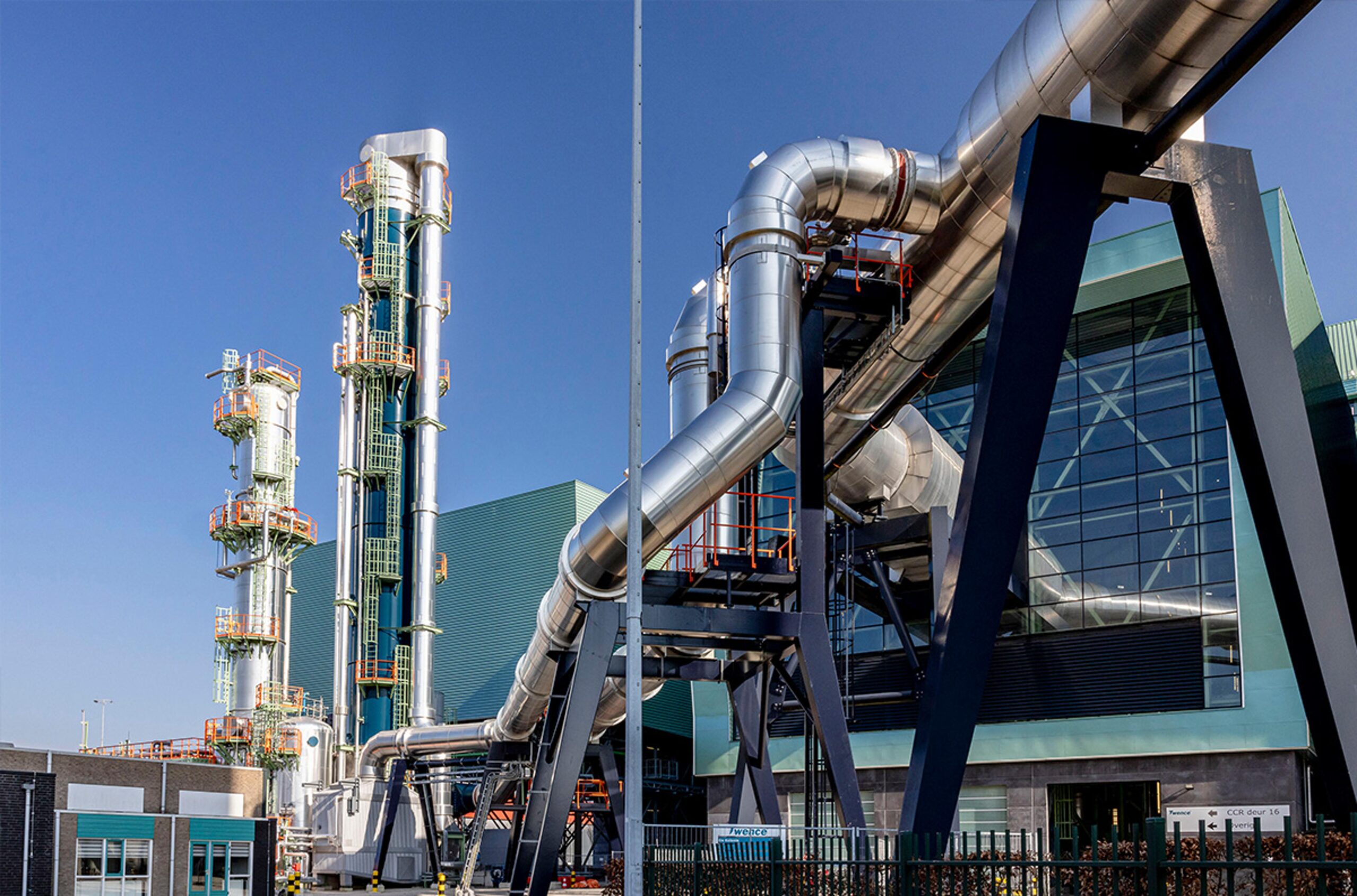
Industrial facilities are important targets for carbon capture because some production processes release carbon dioxide that is difficult to avoid through electrification alone. Cement manufacturing, for example, generates carbon dioxide during the chemical conversion of limestone, in addition to emissions associated with the energy used by the process.

Carbon capture equipment can be designed to separate carbon dioxide from selected industrial gas streams. Researchers are working to improve how these systems integrate with existing plants, reduce energy consumption, and maintain reliable operations.
In steel, cement, and chemical production, capturing emissions could help reduce the carbon footprint of materials that modern societies continue to need. The benefits depend on the proportion of emissions captured, the energy source, the transportation method, and what happens to the captured carbon dioxide.
Installation can be expensive and technically complicated. Plants may need modifications, additional energy supplies, pipelines, or access to suitable storage sites. Each project must be assessed individually to determine whether carbon capture is practical and how much net emission reduction it can deliver.
H2: Better Carbon Storage and Monitoring Breakthroughs
Capturing carbon dioxide is only part of the process. For carbon capture to deliver lasting climate benefits, the gas must be managed safely after collection. One option is geological storage, in which carbon dioxide is injected into carefully selected underground rock formations that can retain it.
Researchers use geological surveys, computer models, monitoring equipment, and pressure measurements to evaluate storage sites. Suitable formations may include deep saline reservoirs and certain depleted oil and gas fields. The geology must provide enough capacity while limiting the possibility of unwanted leakage.
Monitoring is essential because storage projects need to demonstrate that injected carbon dioxide remains contained. Depending on the site, monitoring programs may include pressure measurements, seismic surveys, groundwater testing, and other techniques designed to detect changes.
Storage sites require careful selection, regulatory oversight, and long-term management. Poorly designed projects may create environmental risks or face public opposition. Strong monitoring and transparent reporting can help build trust and improve the reliability of carbon storage.
H2: Carbon Capture and Carbon Utilization Breakthroughs
Captured carbon dioxide can sometimes be used as a raw material instead of being stored underground. Researchers and companies are investigating ways to use it in synthetic fuels, chemicals, construction materials, and other products. These approaches are often described as carbon capture, utilization, and storage or carbon capture and utilization, depending on whether storage is included.
Some construction materials can incorporate carbon dioxide during production or curing. Certain chemical processes can also use captured carbon dioxide as an ingredient. Such applications may create useful products while reducing demand for some conventional raw materials.
However, using carbon dioxide does not automatically prevent it from returning to the atmosphere. Fuels made from captured carbon generally release the carbon dioxide again when burned. Some products retain carbon for longer periods, while others release it relatively quickly.
The climate value of utilization depends on the source of energy, the origin of the carbon dioxide, the product’s lifetime, and the emissions avoided compared with conventional alternatives. Life-cycle assessments are necessary to establish whether a particular application delivers a genuine environmental benefit.
H2: Hidden Risks of Carbon Capture Breakthroughs
Despite their promise, carbon capture breakthroughs face several significant risks. One is energy demand. Many capture systems require energy to separate carbon dioxide, regenerate materials, compress the gas, and transport it. If this energy comes from high-emission sources, the overall climate benefit may be substantially reduced.
Cost is another challenge. Projects may require specialized equipment, pipelines, storage facilities, and long-term monitoring. These expenses can make carbon capture difficult to adopt, especially where cleaner production alternatives are already available or more economical.
Environmental and community concerns must also be considered. Carbon dioxide pipelines and storage facilities need appropriate design, maintenance, emergency planning, and regulatory oversight. Although geological storage can be managed safely when properly selected and operated, leakage risks and local environmental concerns require serious assessment.
There is also a risk that overreliance on carbon capture could delay direct emissions reductions. Improving energy efficiency, expanding renewable electricity, reducing fossil fuel use, and changing industrial processes remain important climate strategies. Carbon capture is most useful when applied where it can deliver additional, measurable reductions.
H2: The Future of Carbon Capture Breakthroughs
The future of carbon capture breakthroughs will depend on scientific progress, commercial investment, reliable infrastructure, and clear climate policies. Better capture materials may reduce energy requirements, while improved equipment could make facilities easier to integrate into industrial operations.
Direct air capture may develop further as researchers improve sorbents, reduce equipment costs, and identify suitable sources of low-carbon energy. Industrial carbon capture could also become more practical where large facilities produce concentrated emissions and have access to transportation and geological storage.
Another important development is the creation of shared carbon dioxide transport and storage networks. These systems could allow multiple industrial facilities to use common infrastructure instead of developing separate projects. Their success will depend on transparent rules, careful site selection, and responsible management.
No single technology will solve climate change by itself. Carbon capture can contribute to a broader strategy that prioritizes avoiding emissions, switching to cleaner energy, and improving industrial efficiency. Continued independent evaluation will be necessary to measure actual performance rather than relying on optimistic promises.
The strongest future for carbon capture will come from projects that prove their climate benefits, protect nearby communities, and operate with transparent environmental standards.
H2: Frequently Asked Questions About Carbon Capture Breakthroughs
H3: What are carbon capture breakthroughs?
Carbon capture breakthroughs are advances in technologies that collect carbon dioxide from industrial emissions or the atmosphere. They may involve improved materials, more efficient equipment, better storage methods, or new ways to use captured carbon dioxide.
H3: Can carbon capture stop climate change?
Carbon capture alone cannot stop climate change. It may help reduce emissions in selected industries and remove some carbon dioxide from the atmosphere, but it must work alongside rapid emissions reductions and broader climate action.
H3: Is captured carbon dioxide stored permanently?
Geological storage is designed to retain carbon dioxide for very long periods, but its effectiveness depends on site selection, engineering, monitoring, and management. Not every use of captured carbon dioxide results in permanent storage.
H3: What is the biggest challenge for carbon capture?
Major challenges include high costs, energy requirements, transport infrastructure, storage availability, and proving real-world climate benefits. The most suitable solution depends on the source of emissions and local conditions.
Conclusion: Carbon Capture Breakthroughs for a Better Future
Carbon capture breakthroughs offer promising ways to reduce emissions from selected industrial processes and potentially remove carbon dioxide from the atmosphere. Improved capture materials, direct air capture systems, geological storage, and carbon utilization may all contribute to climate action when applied appropriately.
Nevertheless, high costs, energy use, storage management, and the risk of delaying other climate solutions must not be overlooked. Every project should be evaluated using reliable data, transparent reporting, and full life-cycle emissions analysis.
With responsible investment and careful oversight, carbon capture can become a useful part of a wider climate strategy. The goal should be genuine and measurable emissions reductions, not technology promises alone.