7 Powerful Digital Twin Breakthroughs: Hope & Risks
Introduction to Digital Twin Breakthroughs
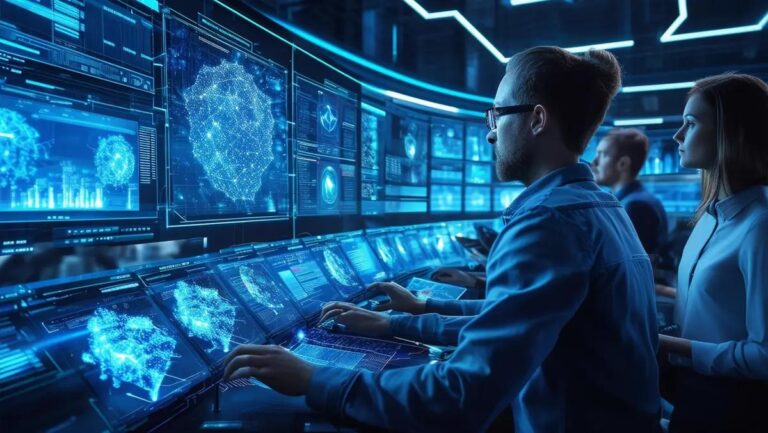
Digital twin breakthroughs are changing how engineers, researchers, businesses, and cities understand the physical world. A digital twin is a virtual representation of a real-world object, machine, building, process, or system. It can use information from sensors, historical records, simulations, and artificial intelligence to help people understand performance and predict possible problems.
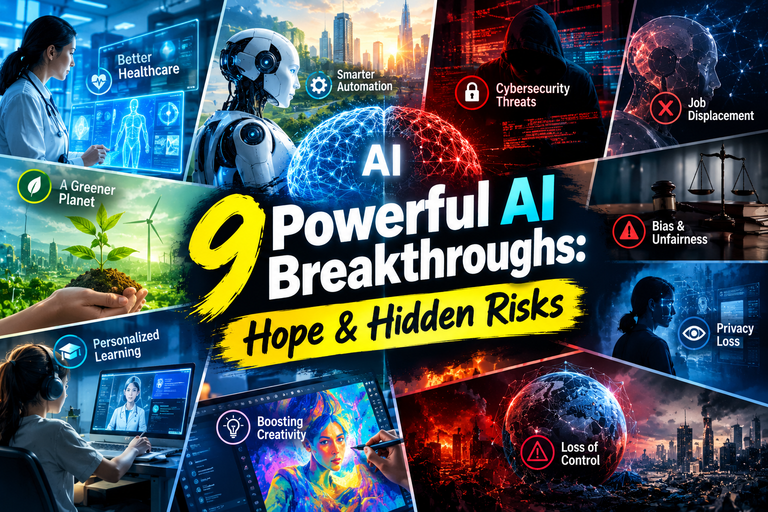
These digital twin breakthroughs offer hope for better healthcare planning, smarter factories, more efficient buildings, and improved energy systems. Instead of waiting for equipment to fail, organizations may use digital models to identify warning signs and test solutions before making expensive changes in the real world. However, digital twins also bring hidden risks, including inaccurate predictions, cybersecurity threats, privacy concerns, and high implementation costs.
Understanding both the benefits and limitations of digital twin technology is essential. Its real value comes not from creating an impressive virtual model, but from using reliable information to make better decisions.
Table of Contents: Digital Twin Breakthroughs
- Understanding Digital Twin Breakthroughs
- Artificial Intelligence and Digital Twin Breakthroughs
- Digital Twin Breakthroughs in Healthcare
- Smart Manufacturing and Digital Twin Breakthroughs
- Digital Twin Breakthroughs in Cities and Energy
- Hidden Risks of Digital Twin Breakthroughs
- The Future of Digital Twin Breakthroughs
- Frequently Asked Questions About Digital Twin Breakthroughs
H2: Understanding Digital Twin Breakthroughs
Digital twins connect physical systems with virtual models that can be updated using real-world information. For example, a factory may create a digital twin of an industrial machine and connect it to sensors that measure temperature, vibration, pressure, and operating speed. Engineers can then study its condition and identify changes that may indicate a developing fault.

Unlike a simple 3D model, a digital twin can reflect the changing state of the system it represents. Some digital twins also use simulations to explore what might happen under different conditions. Their accuracy depends on the quality of the data, the model’s design, and how well it represents real-world behavior.
Digital twin breakthroughs are especially useful when testing directly on physical equipment would be dangerous, expensive, or time-consuming. Engineers can compare possible designs, explore different operating conditions, and investigate problems in a virtual environment before implementing a solution.
However, not every digital twin updates in real time, and not every model can predict future events accurately. Organizations must understand the limits of their models before relying on them for important decisions.
H2: Artificial Intelligence in Digital Twin Breakthroughs
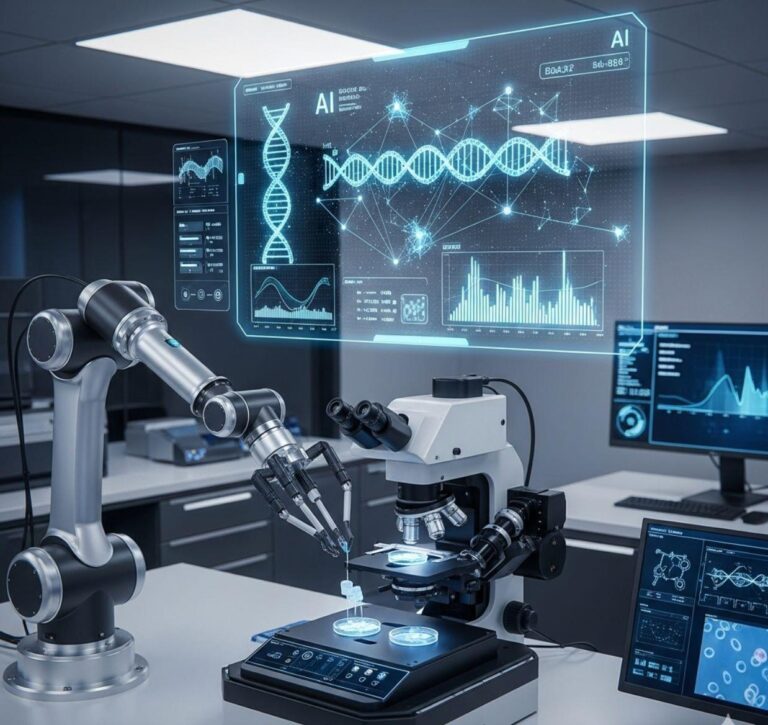
Artificial intelligence is expanding what digital twins can do. Traditional models may show how a system is operating, while AI-enhanced models can help identify patterns, detect unusual behavior, and estimate how performance might change. Machine learning can analyze large amounts of sensor information and support faster decision-making.
For example, an AI-powered digital twin of a production machine could analyze vibration and temperature readings to identify signs of wear. Maintenance teams could use these warnings to inspect equipment before a serious breakdown occurs. This approach may reduce downtime and help businesses plan repairs more effectively.
AI can also help researchers test alternative scenarios. A digital twin of an energy system might compare different demand levels, weather conditions, or equipment settings. The results can help decision-makers understand possible outcomes before changing the actual system.
Nevertheless, AI predictions are not guarantees. Poor-quality data, unexpected conditions, or changes in the physical system can make predictions less reliable. Human experts must review important results, especially when safety, finances, or essential services are involved.
H2: Digital Twin Breakthroughs in Healthcare
Healthcare researchers are exploring digital twins to improve medical planning, hospital operations, and the study of complex biological systems. Depending on the application, a digital model may represent medical equipment, a hospital department, a physiological process, or selected aspects of an individual patient’s health.
A hospital operations twin could help managers examine patient flow, staffing arrangements, equipment availability, and waiting times. By testing different schedules virtually, administrators may discover ways to improve efficiency without disrupting everyday services.
In research, digital models of organs or biological processes may help scientists investigate how systems respond to different conditions. More personalized applications could eventually support medical decision-making, but they require extensive validation and carefully controlled use.
One important limitation is that the human body is extremely complex. A digital model cannot automatically capture every biological difference, and an inaccurate prediction could lead to harmful conclusions. Medical digital twins should therefore support qualified healthcare professionals rather than replace clinical judgment.

Privacy is equally important. Health-related digital twins may involve highly sensitive information, so organizations need strong access controls, secure storage, and clear rules governing data collection and use.
H2: Smart Manufacturing and Digital Twin Breakthroughs
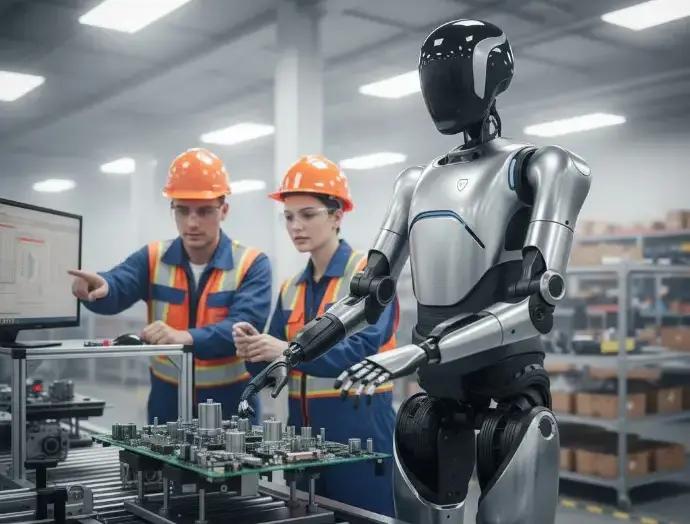
Manufacturing is one of the most practical areas for digital twin breakthroughs. Factories can use virtual representations of production lines, machines, and workflows to study performance and test improvements. These models can help engineers investigate bottlenecks, evaluate equipment settings, and understand how changes to one part of a production process affect the rest.
For example, before installing a new machine, a manufacturer might simulate how it would interact with existing equipment. The model could reveal scheduling conflicts or capacity problems that might otherwise become expensive mistakes. Engineers could then adjust the design before making physical changes.
Digital twins can also support predictive maintenance. By combining equipment data with historical performance information, a model may help identify unusual patterns that require inspection. This can improve maintenance planning and reduce unexpected interruptions when the predictions are reliable.
However, creating a useful factory twin requires suitable sensors, dependable data connections, skilled employees, and ongoing maintenance. Small businesses may find the initial investment difficult to justify. The best results occur when organizations begin with a specific operational problem and measure whether the digital twin actually improves performance.
H2: Digital Twin Breakthroughs in Cities and Energy
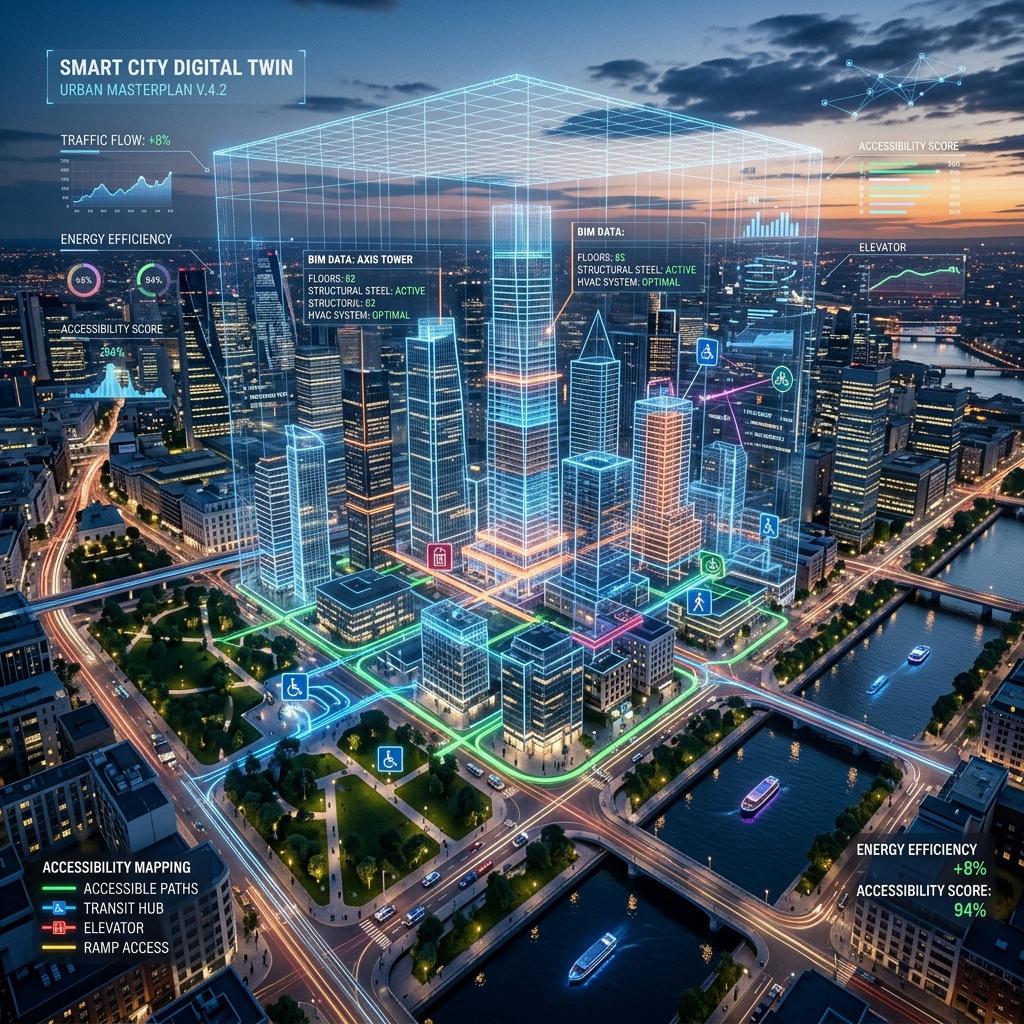
Cities contain interconnected systems such as roads, buildings, water networks, public transportation, and electricity infrastructure. Digital twins can help planners examine how these systems interact and explore the possible effects of new projects or changing conditions.
A city model might help researchers assess traffic patterns, estimate energy demand, or investigate the potential effects of a proposed building. Planners can compare scenarios before committing resources to expensive construction or infrastructure changes. These models can also support emergency planning by allowing teams to explore possible disruptions.
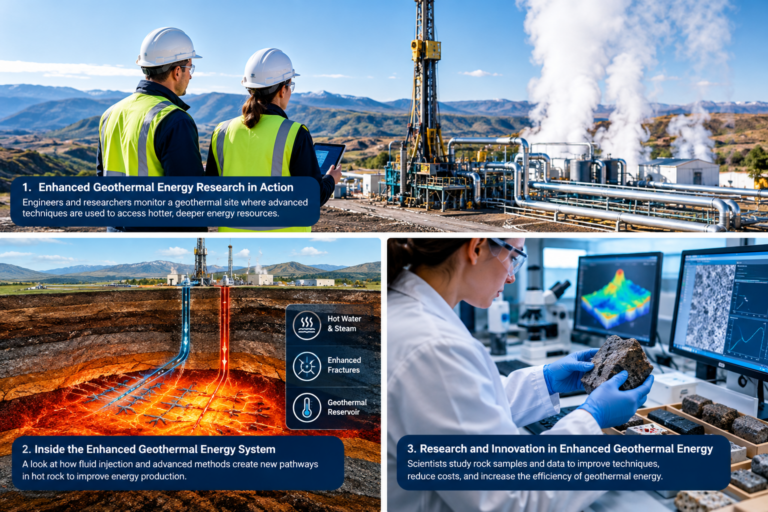
Energy systems offer another promising application. A digital twin of a wind turbine, solar installation, power grid, or building may help operators monitor performance and evaluate possible improvements. For example, a building twin could compare heating, cooling, and lighting strategies to identify opportunities for reducing energy use.
Yet cities and energy networks are complex. A model based on incomplete data may overlook local conditions or produce misleading estimates. Successful projects need regular updates, collaboration among experts, and clear explanations of uncertainty. Digital twins are decision-support tools, not perfect replicas of reality.
H2: Hidden Risks of Digital Twin Breakthroughs
Despite their promise, digital twin breakthroughs introduce several challenges. One major concern is data quality. If sensors malfunction, records become outdated, or important variables are missing, the virtual model may no longer reflect the physical system accurately. Decisions based on incorrect information can waste money or create safety problems.
Cybersecurity is another serious issue. Digital twins may connect to operational technology, business systems, and sensitive databases. If attackers gain unauthorized access, they could steal information, disrupt operations, or manipulate data used by the model. Strong authentication, network protection, regular security updates, and careful access management are essential.
Cost can also limit adoption. Organizations may need new sensors, software, cloud computing, specialist staff, and ongoing technical support. A project that looks impressive during a demonstration may not provide enough financial or operational value to justify these expenses.
Privacy deserves particular attention when digital twins involve people, homes, workplaces, or healthcare. Organizations should collect only necessary information and explain how data is used. They should also assess whether models could expose confidential details or encourage unfair decisions.
Finally, overconfidence in simulation results can be dangerous. Every model simplifies reality. Testing, expert review, and monitoring are necessary to make sure digital twins remain useful as conditions change.
H2: The Future of Digital Twin Breakthroughs
The future of digital twin breakthroughs will likely be shaped by improvements in artificial intelligence, sensor technology, computing power, and data integration. More accessible software could allow smaller businesses to create useful models without building complex systems from scratch. Better connections between virtual models and real-world equipment may also improve monitoring and planning.
In manufacturing, digital twins could support more flexible production and more informed maintenance. In cities, they may help planners compare infrastructure choices. In healthcare research, validated models may support a deeper understanding of selected biological processes. Energy operators may use them to examine demand, improve equipment performance, and explore ways to use resources more efficiently.
Still, wider adoption will depend on trust and measurable results. Organizations need to establish clear goals, evaluate model accuracy, protect sensitive information, and train employees to interpret results correctly. Independent testing and transparent governance can reduce the chance of costly mistakes.
The strongest future for digital twin technology is one in which virtual models help people make informed choices while remaining honest about uncertainty. When used responsibly, these systems can turn complex information into practical insights and support safer, smarter, and more efficient decisions.
H2: Frequently Asked Questions About Digital Twin Breakthroughs
H3: What are digital twin breakthroughs?
Digital twin breakthroughs are advances in virtual models that represent real-world objects, processes, or systems. They can help people monitor performance, run simulations, identify potential problems, and evaluate possible improvements.
H3: How do digital twin breakthroughs use artificial intelligence?
AI can analyze data collected from physical systems, detect unusual patterns, and estimate possible future outcomes. Its predictions depend on data quality and model accuracy, so results should be reviewed carefully.
H3: Can digital twin breakthroughs reduce costs?
They may reduce some costs by improving maintenance planning, testing designs virtually, and identifying inefficiencies. However, the initial investment and ongoing support can be expensive, and savings are not guaranteed.
H3: What are the biggest risks of digital twin breakthroughs?
Key risks include inaccurate data, unreliable predictions, cybersecurity attacks, privacy concerns, high costs, and excessive reliance on simulations. Careful testing and responsible data management help reduce these risks.
Conclusion: Digital Twin Breakthroughs for a Smarter Future
Digital twin breakthroughs are creating new ways to understand machines, buildings, cities, healthcare processes, and energy systems. Their ability to combine real-world information with virtual modelling offers meaningful opportunities to improve planning, efficiency, and maintenance.
However, these benefits depend on accurate data, secure systems, appropriate investment, and realistic expectations. Digital twins cannot perfectly reproduce every aspect of the physical world, and their predictions should never be treated as unquestionable facts.
By combining technological innovation with expert oversight and responsible data practices, organizations can use digital twin breakthroughs to solve practical problems and build a smarter, more resilient future.