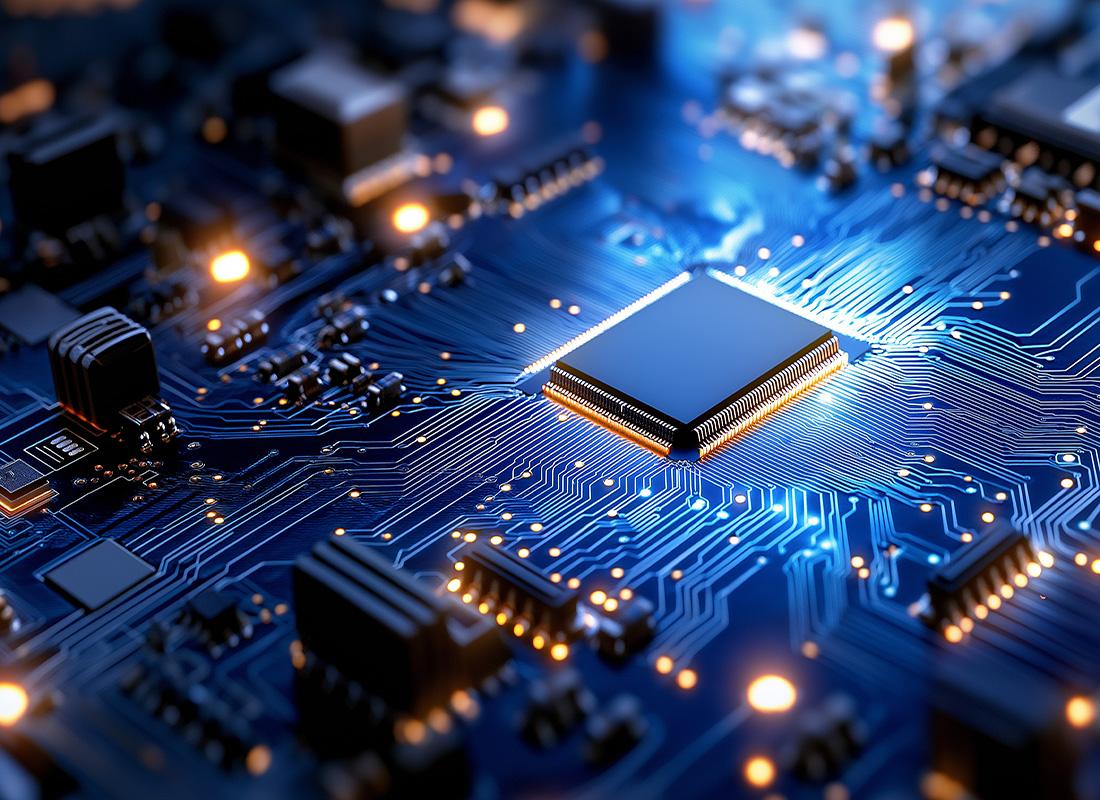
7 Powerful Semiconductor Research Breakthroughs: Hope & Risks
Introduction to Semiconductor Research Breakthroughs
Semiconductor research breakthroughs are transforming modern technology by making electronic devices faster, smaller, and more energy-efficient. Semiconductors are materials, such as silicon, that control the flow of electrical current and form the foundation of computer processors, smartphones, artificial intelligence systems, medical equipment, and advanced communication networks. As researchers explore new materials and manufacturing techniques, semiconductor technology continues to create opportunities for scientific and industrial progress.
These semiconductor research breakthroughs offer hope for more powerful computers, efficient electric vehicles, improved renewable energy systems, and smarter everyday devices. However, the industry also faces serious challenges, including expensive manufacturing facilities, supply-chain disruptions, environmental pressures, and difficulties producing increasingly complex chips. Understanding both the opportunities and risks is essential for recognizing how semiconductor innovation may shape the future.

Table of Contents: Semiconductor Research Breakthroughs
- Advanced Semiconductor Chip Designs
- Semiconductor Research Breakthroughs in AI Chips
- New Materials for Semiconductor Research Breakthroughs
- Semiconductor Research Breakthroughs in Energy Efficiency
- Advanced Semiconductor Manufacturing
- Hidden Risks of Semiconductor Research Breakthroughs
- The Future of Semiconductor Research Breakthroughs
- Frequently Asked Questions
H2: Advanced Chip Designs in Semiconductor Research Breakthroughs
One important area of semiconductor research breakthroughs involves designing chips that deliver more computing power in a smaller space. Modern electronic devices require processors that can handle demanding applications without consuming excessive energy or generating too much heat. Researchers are exploring advanced transistor structures, improved chip layouts, and new ways to connect different computing components.
Three-dimensional chip integration is one promising approach. Instead of placing every component on a single flat surface, engineers can stack or closely connect multiple layers and chiplets. This approach can improve communication between components and support specialized designs for computing, memory, and data processing.
Advanced packaging also allows manufacturers to combine different types of chips in one system. This can be useful when a single manufacturing process is not ideal for every component. However, connecting multiple chips introduces challenges involving heat management, manufacturing quality, testing, and long-term reliability.
The goal is not simply to make chips smaller. Researchers must balance performance, power consumption, cost, and reliability to create products that deliver practical benefits.
H2: AI Chips and Semiconductor Research Breakthroughs
Artificial intelligence is increasing demand for powerful semiconductor chips. Training and running advanced AI models requires substantial computing resources, making specialized processors increasingly important. Graphics processing units, AI accelerators, and other dedicated chips are designed to perform particular calculations efficiently.

One major direction in semiconductor research breakthroughs is improving how these processors handle large amounts of data. High-bandwidth memory, advanced packaging, and faster connections between computing components can help reduce delays and improve overall system performance.
Researchers are also investigating new computing architectures that may reduce unnecessary data movement. Moving information between memory and processors can consume considerable energy, so improving this process may make future AI systems more efficient.
However, powerful AI chips have limitations. They can be expensive to develop and manufacture, and large computing systems require substantial electricity and cooling. Access to advanced chips is also uneven, which can create challenges for smaller companies and research institutions.
Future progress will depend on balancing computational performance with affordability, energy efficiency, and reliable manufacturing.
H2: New Materials in Semiconductor Research Breakthroughs
Silicon remains the most widely used semiconductor material, but researchers are studying alternatives and complementary materials for specialized applications. These include silicon carbide, gallium nitride, gallium arsenide, and emerging two-dimensional materials. Each offers different electrical, thermal, or optical properties.
Silicon carbide and gallium nitride are particularly important in power electronics. They can support efficient operation in applications such as electric vehicles, charging equipment, renewable energy installations, and industrial power systems. Depending on the design, these materials can reduce certain energy losses and help equipment operate at higher temperatures or switching frequencies.
Two-dimensional materials, including graphene and certain transition-metal dichalcogenides, are also being investigated for future electronic and optoelectronic devices. Their unusual properties make them scientifically interesting, although practical manufacturing challenges remain.
A promising material does not automatically become a successful commercial product. Researchers must consider material quality, production costs, compatibility with existing manufacturing facilities, and long-term durability. Some discoveries may take years to move from laboratory experiments to large-scale manufacturing.
H2: Energy Efficiency in Semiconductor Research Breakthroughs
Energy efficiency is becoming a central goal in semiconductor research breakthroughs. Modern data centers, smartphones, industrial equipment, and electric vehicles all depend on electronic components that convert and process energy. Even small improvements in efficiency can be valuable when multiplied across millions of devices.
Researchers are working on better transistor designs, more efficient power-management circuits, and improved materials that reduce energy losses. Advanced power semiconductors can help electric vehicles control motors, manage battery power, and charge more efficiently. Similar technologies can support solar inverters, wind power systems, and electricity-conversion equipment.
Computing efficiency is equally important. More efficient processors can perform useful calculations with less energy, although the total energy consumed by a system also depends on software, workload, cooling, and operating conditions.
There is a potential drawback: greater efficiency can make computing cheaper to use, encouraging people and organizations to run more applications. This increase in demand may offset some of the energy savings. As a result, semiconductor improvements should be evaluated alongside total system energy use rather than in isolation.
H2: Advanced Manufacturing in Semiconductor Research Breakthroughs
Manufacturing advanced semiconductors requires extraordinary precision. Modern chips contain extremely small structures that must be produced with consistent quality. Manufacturers use techniques such as photolithography, deposition, etching, and inspection to create complex electronic circuits on semiconductor wafers.
Extreme ultraviolet lithography is an important technology for producing certain advanced chip patterns. It helps manufacturers create increasingly complex features, but the equipment is costly and requires sophisticated engineering. Even small defects can affect chip performance or reduce production yields.
Researchers are also exploring improvements in process control, materials, inspection systems, and chip packaging. Better manufacturing methods can increase the number of usable chips produced from a wafer and reduce wasted resources.
Nevertheless, building and operating a leading-edge fabrication plant requires significant investment, specialized knowledge, reliable utilities, and carefully managed supply chains. Manufacturing disruptions can affect industries ranging from consumer electronics to automotive production.
These challenges make semiconductor research not only a scientific issue but also an economic and strategic priority for countries and companies seeking dependable access to advanced chips.
H2: Hidden Risks of Semiconductor Research Breakthroughs
Despite their benefits, semiconductor research breakthroughs come with important risks. One concern is the high cost of research and development. Developing advanced materials, designing processors, and building fabrication facilities require substantial financial resources. Smaller businesses may struggle to compete without partnerships or specialized funding.
Supply-chain concentration is another challenge. Semiconductor production depends on specialized equipment, raw materials, manufacturing facilities, and technical expertise distributed across different regions. Disruptions caused by natural disasters, geopolitical tensions, or trade restrictions can affect the availability of important components.
Environmental impact also deserves attention. Semiconductor manufacturing can require significant amounts of electricity, ultrapure water, and specialized chemicals. Responsible production involves managing waste, reducing emissions, improving water efficiency, and handling hazardous substances safely.
Security is equally important. Chips are embedded in critical infrastructure, medical equipment, vehicles, and communication systems. Design weaknesses or vulnerabilities in connected devices may create opportunities for cyberattacks. Strong testing, secure design practices, and careful supply-chain management can help reduce these risks.
Finally, technical progress can widen the gap between organizations that can afford advanced computing and those that cannot. Broader access to education, research infrastructure, and efficient technologies can help distribute the benefits more fairly.
H2: The Future of Semiconductor Research Breakthroughs
The future of semiconductor research breakthroughs will likely involve several technologies working together rather than one discovery solving every challenge. Advanced chip packaging, specialized AI processors, new semiconductor materials, and improved manufacturing techniques may each contribute to better performance in different applications.
Researchers are also investigating chip designs inspired by the way biological brains process information, along with photonic computing approaches that use light for certain operations. These technologies may offer advantages for selected workloads, but their commercial potential depends on practical engineering, cost, reliability, and integration with existing systems.
In the coming years, semiconductor advances could support scientific research, medical imaging, autonomous systems, communications, and clean-energy infrastructure. Progress will depend on sustained investment, skilled workers, reliable supply chains, and collaboration between universities, manufacturers, and governments.
Responsible innovation must also account for environmental sustainability and security. More powerful chips are valuable, but they should also be dependable, efficient, and affordable enough to solve real problems.
The most meaningful semiconductor research breakthroughs will be those that deliver measurable benefits beyond laboratory demonstrations. By combining scientific discovery with responsible manufacturing and practical design, the semiconductor industry can help build a more connected and technologically capable future.
H2: Frequently Asked Questions About Semiconductor Research Breakthroughs
H3: What are semiconductor research breakthroughs?
Semiconductor research breakthroughs are advances in chip materials, transistor designs, manufacturing processes, packaging, and electronic architectures. They aim to improve computing performance, energy efficiency, reliability, or specialized functions.
H3: Why are semiconductor research breakthroughs important for AI?
AI applications require processors that can perform large numbers of calculations and move data efficiently. Improvements in chips, memory, and packaging can help AI systems deliver better performance while managing energy use and heat.
H3: Can new semiconductor materials replace silicon?
Some materials can outperform silicon in particular applications, such as high-power electronics or specialized optical devices. However, silicon remains essential across much of the industry, and alternative materials face manufacturing and cost challenges.
H3: What are the main risks of semiconductor research breakthroughs?
Major risks include high development costs, supply-chain disruptions, environmental impacts, manufacturing defects, and security vulnerabilities. Careful research, testing, and responsible production can help address these challenges.
Conclusion: Semiconductor Research Breakthroughs for a Better Future
Semiconductor research breakthroughs are driving progress in AI, advanced computing, energy systems, communication, and consumer electronics. New chip designs, alternative materials, and improved manufacturing methods offer opportunities to build faster and more efficient technologies.
However, these advances also introduce challenges involving cost, environmental sustainability, supply-chain resilience, and cybersecurity. Scientific progress alone is not enough; manufacturers and policymakers must also consider reliability, accessibility, and responsible production.
With continued research and thoughtful investment, semiconductor innovation can help create more capable electronic systems while reducing avoidable risks. The future will depend on how effectively the industry turns promising discoveries into practical, secure, and sustainable technologies.